

Sustaining high employee engagement is a persistent challenge for Canadian companies, especially as traditional yearly reviews fail to inspire lasting motivation or real improvement. When conversations about performance become episodic, disengagement and turnover start to creep in, which can threaten your team’s productivity and workplace culture. The right approach transforms these moments into opportunities for meaningful growth and stronger connections. This list gives you actionable strategies to strengthen engagement, backed by proven methods like continuous feedback and clear goal alignment. Get ready to discover practical steps that tap directly into what motivates your employees and link their success to your business outcomes.
Table of Contents
- 1. Assess Employee Sentiment With Continuous Feedback
- 2. Set Clear Engagement Goals Linked To KPIs
- 3. Enable Anonymous Communication Channels
- 4. Integrate Feedback Tools Into Daily Workflows
- 5. Analyse Themes And Drivers With Real-Time Dashboards
- 6. Align Engagement Initiatives With Business Outcomes
- 7. Monitor Progress And Adapt Strategies Regularly
Quick Summary
| Takeaway | Explanation |
|---|---|
| 1. Continuous feedback enhances employee sentiment | Real-time insights from continuous feedback improve communication and allow for proactive engagement interventions. |
| 2. Set measurable engagement goals | Clearly defined objectives linked to key performance indicators align employee motivation with overall business success. |
| 3. Foster a culture of anonymous communication | Anonymous channels encourage honest feedback, promoting psychological safety and uncovering true employee sentiments without fear. |
| 4. Integrate feedback seamlessly into workflows | Incorporating feedback mechanisms into daily processes normalizes open dialogue and makes sharing insights more efficient. |
| 5. Utilize real-time dashboards for insights | Dynamic dashboards provide actionable data, allowing organisations to identify emerging themes and address engagement issues effectively. |
1. Assess Employee Sentiment with Continuous Feedback
Continuous feedback represents a transformative approach to understanding and improving workplace engagement. Unlike traditional annual performance reviews, this dynamic method allows organisations to capture real-time insights into employee experiences and emotional states.
Research demonstrates that ongoing feedback mechanisms significantly impact employee motivation by creating multiple touchpoints for communication and understanding. The traditional annual review model has become increasingly obsolete in today’s fast-paced work environments.
Key benefits of continuous feedback include:
- Provides immediate insights into employee sentiment
- Enables rapid organisational responsiveness
- Creates opportunities for timely performance adjustments
- Helps identify potential engagement issues before they escalate
- Supports a culture of open communication
Implementing continuous feedback requires strategic planning and the right technological infrastructure. Organisations should establish multiple channels for collecting employee perspectives, such as:
- Regular pulse surveys
- Digital feedback platforms
- One-on-one check-in meetings
- Anonymous suggestion systems
- Real-time digital communication tools
Continuous feedback transforms employee sentiment from a static snapshot into a dynamic, ongoing conversation.
Pro tip: Implement a quarterly sentiment tracking system that allows employees to provide candid, anonymous feedback across multiple dimensions of workplace experience.
2. Set Clear Engagement Goals Linked to KPIs
Engagement goals are not just aspirational statements but strategic blueprints that connect employee motivation directly to organisational performance. By linking engagement objectives to key performance indicators (KPIs), organisations create a powerful alignment between individual effort and business outcomes.
Successful goal setting requires a comprehensive approach that transforms traditional performance management. Workplace development goals must transcend generic metrics and provide meaningful context for employees.
Key components of effective engagement goal setting include:
- Establishing measurable and specific objectives
- Aligning individual goals with organisational strategy
- Creating transparent performance expectations
- Designing incentive structures that motivate employees
- Implementing regular progress tracking mechanisms
To effectively link engagement goals to KPIs, organisations should:
- Define clear performance indicators
- Create individual goal cascades
- Develop robust tracking systems
- Provide continuous feedback mechanisms
- Adjust goals based on ongoing performance data
Employee engagement goals are most powerful when they create a direct line of sight between individual contributions and organisational success.
Pro tip: Develop a quarterly goal review process that allows for adaptive goal setting and ensures alignment between individual performance and strategic organisational objectives.
3. Enable Anonymous Communication Channels
Anonymous communication channels represent a critical strategy for uncovering genuine employee sentiment and addressing workplace challenges without fear of retribution. Psychological safety emerges when employees feel confident sharing honest feedback without risking professional consequences.
Organisations that prioritise transparent and confidential communication pathways demonstrate a profound commitment to understanding their workforce’s authentic experiences. These channels serve as vital diagnostic tools for identifying potential cultural issues before they escalate.
Key benefits of anonymous communication include:
- Reduces employee hesitation in sharing genuine concerns
- Provides unfiltered insights into organisational dynamics
- Helps identify systemic problems early
- Supports employees who might feel vulnerable speaking directly
- Creates a culture of psychological safety
Effective implementation of anonymous communication requires:
- Selecting secure digital platforms
- Establishing clear communication protocols
- Ensuring complete confidentiality
- Creating structured feedback mechanisms
- Developing responsive action plans based on insights
Anonymity transforms feedback from a risky conversation into a constructive organisational dialogue.
Pro tip: Design multiple anonymous feedback channels including digital platforms digital surveys and third-party facilitated listening sessions to capture diverse communication preferences.
4. Integrate Feedback Tools Into Daily Workflows
Successful employee engagement requires seamlessly embedding feedback mechanisms into the natural rhythm of workplace interactions. Frictionless communication platforms transform sporadic feedback into continuous organisational intelligence.
Organisations can leverage feedback loops in engagement to create intuitive pathways for employees to share insights without disrupting their core work responsibilities.
Key strategies for workflow integration include:
- Embedding feedback prompts within existing digital collaboration tools
- Creating low-effort feedback capture mechanisms
- Minimising additional administrative burden
- Normalising ongoing dialogue
- Ensuring immediate accessibility of feedback channels
Practical implementation steps:
- Select tools compatible with current communication platforms
- Design unobtrusive feedback interfaces
- Train managers on responsive feedback management
- Establish clear expectations for feedback engagement
- Demonstrate organisational commitment to listening
Effective feedback integration transforms communication from a task into a natural organisational conversation.
Pro tip: Choose feedback tools that integrate directly into platforms your teams already use daily like Slack Microsoft Teams or existing project management software.
5. Analyse Themes and Drivers with Real-Time Dashboards
Real-time dashboards transform raw employee feedback into strategic organisational intelligence. Dynamic visual analytics enable leaders to move beyond surface-level metrics and understand the nuanced drivers of workplace engagement.
By translating employee insights into actionable business intelligence, organisations can diagnose cultural challenges and opportunities with unprecedented precision.
Key features of effective real-time dashboards include:
- Aggregating feedback across multiple communication channels
- Presenting sentiment trends with interactive visualisations
- Highlighting emerging themes and potential risk areas
- Comparing engagement metrics across different organisational segments
- Enabling rapid, data-driven decision making
Implementation strategies for dashboard analysis:
- Select platforms with robust data visualization capabilities
- Establish clear key performance indicators
- Train leadership on dashboard interpretation
- Create regular review and reflection processes
- Develop responsive action plans based on insights
Transformative dashboards turn employee sentiment from abstract feelings into measurable, actionable organisational intelligence.
Pro tip: Configure your dashboards to provide both macro organisational trends and granular insights enabling comprehensive yet targeted cultural understanding.
6. Align Engagement Initiatives with Business Outcomes
Successful organisations understand that employee engagement is not a standalone initiative but a strategic lever for driving business performance. Holistic alignment transforms engagement from a peripheral activity to a core driver of organisational success.
Empirical research from the U.S. Bureau of Labor Statistics demonstrates clear linkages between engagement and business outcomes, highlighting the critical importance of strategic integration.
Strategic alignment requires connecting engagement efforts with key business metrics:
- Reducing operational costs
- Improving productivity
- Enhancing customer satisfaction
- Driving revenue growth
- Minimising talent turnover
Practical steps for strategic engagement alignment:
- Identify specific business objectives
- Develop targeted engagement initiatives
- Establish measurable key performance indicators
- Create cross-functional engagement teams
- Implement regular performance tracking
Engagement initiatives become powerful when they are precisely calibrated to drive specific organisational outcomes.
Pro tip: Design engagement programs with explicit connections to strategic business goals, ensuring every initiative can be directly mapped to potential performance improvements.
7. Monitor Progress and Adapt Strategies Regularly
Employee engagement is a dynamic process that requires continuous assessment and strategic refinement. Adaptive monitoring transforms static feedback mechanisms into responsive organisational learning platforms.
Companies can boost revenue and team productivity by implementing agile tracking and adjustment strategies that evolve with changing workplace dynamics.
Key elements of effective progress monitoring include:
- Establishing baseline engagement metrics
- Creating regular assessment intervals
- Implementing flexible feedback mechanisms
- Developing responsive adaptation protocols
- Maintaining transparent communication channels
Strategic monitoring and adaptation steps:
- Define clear performance indicators
- Schedule quarterly comprehensive reviews
- Collect multi-source feedback data
- Analyse trends and identify emerging patterns
- Develop targeted intervention strategies
Continuous monitoring transforms engagement from a periodic exercise into an ongoing organisational dialogue.
Pro tip: Implement a quarterly review process that includes both quantitative metrics and qualitative insights, ensuring a holistic approach to understanding and improving employee engagement.
Below is a comprehensive table summarizing the strategies and insights discussed throughout the article for enhancing employee engagement through innovative feedback and communication systems.
| Focus Area | Key Insights and Actions | Benefits and Outcomes |
|---|---|---|
| Assess Employee Sentiment | Implement continuous feedback systems like pulse surveys and anonymous inputs. | Gain real-time insights, proactively address engagement concerns. |
| Set Clear Engagement Goals | Link employee engagement objectives to key performance indicators (KPIs). | Align individual contributions with organisational success metrics. |
| Enable Anonymous Communication | Foster safe avenues for open feedback without fear of retaliation. | Encourage genuine input, establish psychological safety. |
| Integrate Feedback Tools | Embed feedback mechanisms seamlessly into daily workflows. | Normalise consistent communication, reduce barriers to providing insights. |
| Utilise Real-Time Dashboards | Analyse feedback using interactive visual tools to uncover trends. | Transform information into actionable business intelligence. |
| Align Initiatives with Business Outcomes | Connect engagement directly to metrics like productivity and talent retention. | Drive measurable outcomes aligned with strategic goals. |
| Monitor Progress Regularly | Continuously review engagement approaches, leveraging adaptive monitoring. | Maintain dynamic improvement by responding to changing needs and circumstances. |
This table provides a structured overview of the essential approaches to improving employee engagement as outlined in the article.
Drive Employee Engagement with Real-Time Cultural Intelligence
The article “7 Essential Steps for an Employee Engagement Checklist” highlights the crucial challenge of capturing continuous and honest employee sentiment to build healthier, more productive teams. You know that static surveys and annual reviews do not provide the immediacy or depth needed to identify engagement drivers or quickly adapt strategies. Key pain points such as enabling anonymous communication, integrating feedback into daily workflows, and aligning engagement goals with measurable KPIs demand a smarter approach.
Wurkn transforms these challenges into opportunities by offering a cultural business intelligence platform designed for CXOs and PeopleOps teams. Our solution captures always-on, anonymous feedback seamlessly from Slack, Microsoft Teams, HRIS, and web channels—meeting employees where work truly happens without disruption. With a powerful AI pipeline that synthesizes themes, drivers, and emotional tone, Wurkn provides executives with actionable cultural intelligence tied directly to business outcomes like retention, productivity, and revenue.
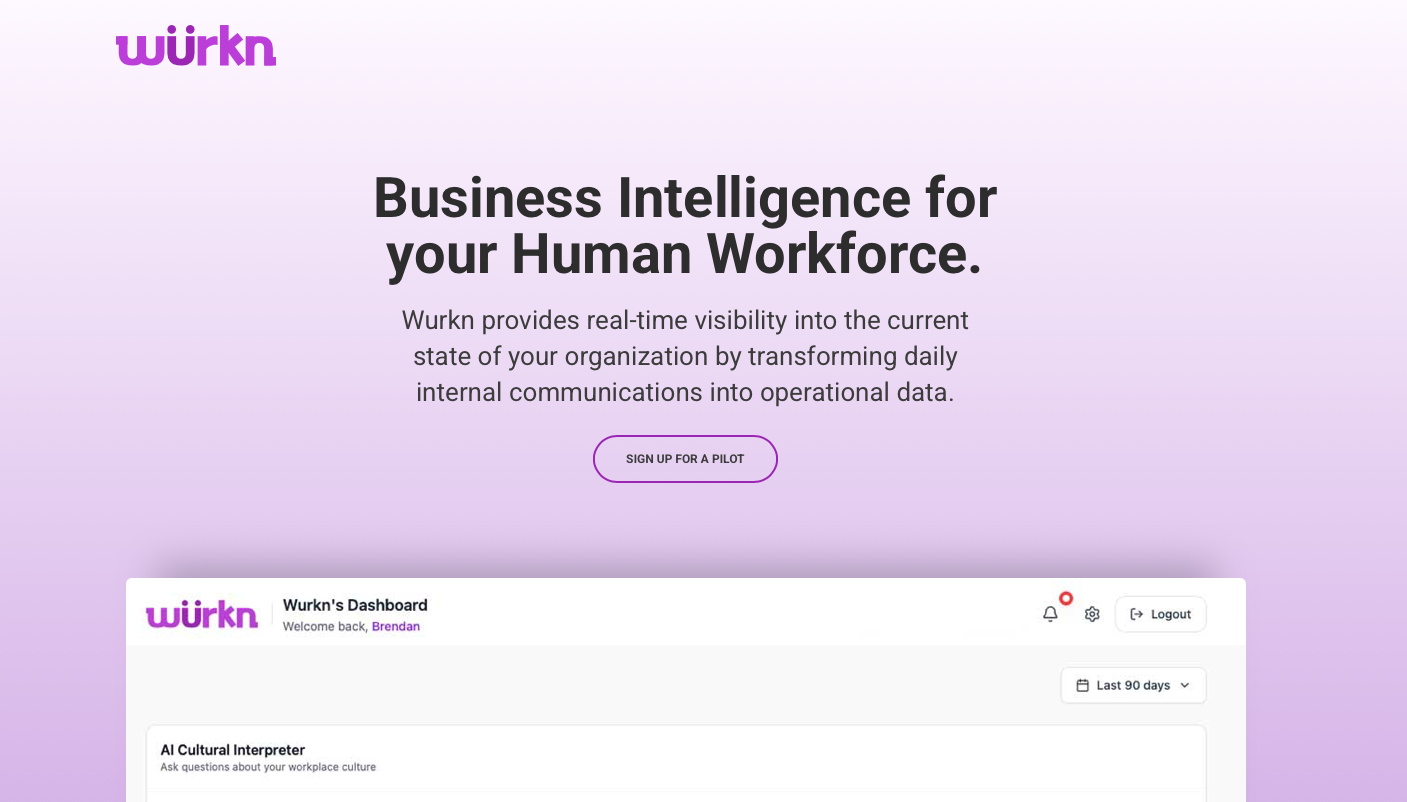
Start transforming your employee engagement checklist into a living, evolving strategy today. Explore how Wurkn’s real-time dashboards and continuous feedback loops help you diagnose issues early, monitor progress regularly, and adapt engagement initiatives for maximum impact. Learn more about how to unlock actionable employee insights at Wurkn and take the first step towards a healthier workplace culture.
Frequently Asked Questions
What are the seven essential steps for employee engagement?
The seven essential steps include assessing employee sentiment with continuous feedback, setting clear engagement goals linked to KPIs, enabling anonymous communication channels, integrating feedback tools into daily workflows, analysing themes and drivers with real-time dashboards, aligning engagement initiatives with business outcomes, and monitoring progress with regular strategy adaptations. Review each step to build a comprehensive engagement checklist.
How can I set measurable engagement goals for my team?
To set measurable engagement goals, specify objectives that align with your organisation’s strategy and establish key performance indicators (KPIs) to track progress. Create individual goal cascades and implement tracking systems to ensure everyone is connected to overarching goals. You can review these goals quarterly to adapt as needed.
What are effective methods for enabling anonymous communication in the workplace?
Effective methods for enabling anonymous communication include creating secure digital platforms and establishing clear communication protocols that ensure complete confidentiality. Develop multiple feedback channels, such as anonymous surveys and suggestion boxes, to capture diverse insights from employees. Implement these methods and regularly promote their use to encourage candid conversations.
How can I integrate feedback mechanisms into our daily workflows?
You can integrate feedback mechanisms by embedding prompts within existing collaboration tools and creating low-effort feedback capture options. Ensure that these tools are easily accessible and train team members to use them regularly, fostering a culture of continuous feedback. Aim to normalise feedback as part of daily interactions to improve engagement.
What should I include in a real-time dashboard for analysing employee feedback?
A real-time dashboard should aggregate feedback across multiple channels and present sentiment trends in an interactive format. Include features that highlight emerging themes, compare engagement metrics across different teams, and allow for rapid decision-making based on insights. Regularly update the dashboard to reflect current engagement data and trends.
Why is it essential to align engagement initiatives with business outcomes?
Aligning engagement initiatives with business outcomes ensures that your efforts contribute directly to organisational success by improving key metrics such as productivity and customer satisfaction. Identify specific business objectives to focus your engagement strategies and use measurable indicators to track their impact. Regularly revisit and adjust these initiatives to maximise their effectiveness.