
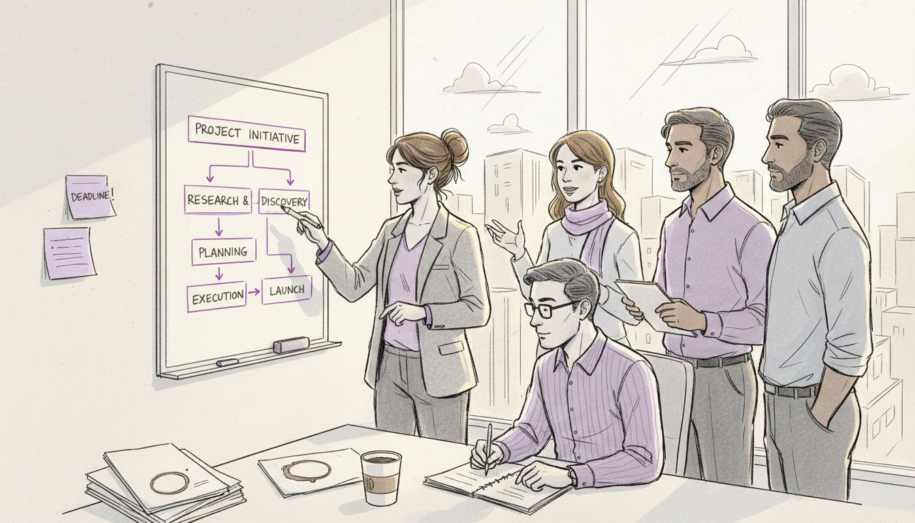
Every tech leader knows that workplace culture is more than just a slogan printed on the wall. It is the system of shared assumptions, values, and beliefs that quietly influence every employee interaction and decision. For CXOs and Heads of People Operations driving growth in international tech companies, understanding these cultural dynamics is key to shaping productive environments, supporting innovation, and achieving measurable results.
Table of Contents
- Defining Workplace Culture and Key Concepts
- Types of Workplace Culture Models
- Core Drivers: Leadership, Values, Policies
- How Culture Impacts KPIs and Performance
- Risks of Toxic or Neglected Culture
- Building and Sustaining Positive Workplaces
Key Takeaways
| Point | Details |
|---|---|
| Workplace Culture Shapes Performance | Organizational culture significantly impacts employee motivation, job satisfaction, and overall performance metrics, making it a crucial factor for success. |
| Key Models Provide Insights | Various workplace culture models, such as the Competing Values Framework and Clan Culture Model, offer valuable frameworks for understanding and improving organisational dynamics. |
| Leadership Drives Culture | Effective leadership is fundamental in establishing and maintaining a positive workplace culture through vision, ethical standards, and transparent communication. |
| Addressing Toxic Culture is Essential | Recognising and transforming toxic workplace cultures is vital for promoting employee well-being, retention, and overall organisational health. |
Defining Workplace Culture and Key Concepts
Workplace culture represents the complex ecosystem of shared assumptions, values, and behaviours that define an organization’s internal environment. At its core, culture acts as an invisible framework that guides employee interactions, decision-making processes, and organizational performance.
Organizational culture can be understood through several key dimensions, including shared assumptions about organizational norms. These assumptions help establish critical boundaries around appropriate workplace conduct, communication styles, and professional expectations.
Key characteristics of workplace culture include:
- Unwritten behavioural expectations
- Communication patterns and styles
- Approaches to collaboration and teamwork
- Organizational values and belief systems
- Attitudes towards innovation and risk-taking
- Perspectives on work-life balance
Research demonstrates that organizational culture serves as a fundamental mediator influencing multiple workplace dynamics. It significantly impacts critical outcomes such as:
- Employee motivation
- Job satisfaction
- Organizational commitment
- Productivity levels
- Overall performance metrics
Culture is not static but evolves through continuous interactions, leadership practices, and organizational experiences. Understanding these nuanced dynamics allows leaders to intentionally shape workplace environments that promote engagement, innovation, and sustainable performance.
Pro tip: Conduct periodic cultural assessments to understand your organization’s underlying assumptions and identify areas for strategic cultural development.
Types of Workplace Culture Models
Workplace culture models provide critical frameworks for understanding the complex dynamics of organizational environments. Organizational culture types represent systematic approaches to categorizing the unique characteristics that define how teams interact, communicate, and perform.
Several prominent models have emerged to help leaders comprehend and analyse workplace cultural structures. These include foundational frameworks developed by influential researchers such as Hofstede, Schein, Trompenaars, and Deal & Kennedy, each offering distinct perspectives on cultural classification.
Key workplace culture models include:
- Competing Values Framework: Focuses on organizational effectiveness and flexibility
- Adaptive Culture Model: Emphasizes innovation and continuous learning
- Hierarchical Culture Model: Prioritizes stability and structured processes
- Market-Driven Culture Model: Concentrates on results, competition, and achievement
- Clan Culture Model: Highlights collaboration, teamwork, and familial workplace relationships
Each cultural model provides unique insights into organizational dynamics, helping leaders understand:
The table below highlights the business impacts of different workplace culture models for quick comparison:
| Culture Model | Main Focus | Employee Experience | Business Impact |
|---|---|---|---|
| Competing Values Framework | Adaptability vs. control | Balances innovation and structure | Enhanced agility, consistent standards |
| Adaptive Culture Model | Continuous learning | Growth-oriented mindset | Higher innovation, resilience |
| Hierarchical Culture Model | Formal processes | Predictable, consistent roles | Operational stability, reduced risk |
| Market-Driven Model | Achievement, competition | Results-focused, high pressure | Revenue growth, faster time-to-market |
| Clan Culture Model | Collaboration, teamwork | Inclusive, supportive | High engagement, strong retention |
- Communication patterns
- Decision-making processes
- Employee motivation strategies
- Performance expectations
- Interpersonal relationship dynamics
Understanding these models enables organizations to deliberately shape their cultural environment, align strategic objectives, and create more engaged, productive workplaces. Cultural intelligence allows leaders to recognize nuanced differences and design targeted interventions that support organizational goals.
Pro tip: Conduct periodic cultural assessments using multiple models to gain a comprehensive understanding of your organization’s unique cultural landscape.
Core Drivers: Leadership, Values, Policies
Organizational culture emerges from the intricate interplay between leadership vision, core values, and strategic policies. Leadership’s core values fundamentally shape the behavioural norms and expectations that define workplace interactions and performance.
Leadership plays a pivotal role in establishing and reinforcing cultural dynamics. Effective leaders do not simply dictate rules; they model behaviours, articulate compelling visions, and create environments that inspire employee engagement and commitment.
Key components driving organizational culture include:
- Visionary Leadership: Setting strategic direction and inspiring teams
- Ethical Standards: Establishing clear behavioural expectations
- Transparent Communication: Fostering trust and open dialogue
- Inclusive Policies: Creating equitable workplace practices
- Continuous Learning: Encouraging professional growth and development
The interconnection between leadership, values, and policies manifests through critical organizational elements:
- Establishing clear mission and vision statements
- Developing comprehensive ethics guidelines
- Creating performance management frameworks
- Implementing diversity and inclusion strategies
- Designing employee development programmes
Organizational policies serve as the structural framework that translates leadership vision into actionable guidelines. These policies communicate expectations, protect employee rights, and create consistent standards that support a healthy, productive workplace culture.
Pro tip: Regularly audit your organizational policies to ensure they align with your company’s evolving cultural values and strategic objectives.
How Culture Impacts KPIs and Performance
Organizational culture serves as a critical lever for driving business performance, directly influencing key performance indicators (KPIs) through complex behavioural and motivational mechanisms. Adaptive organizational culture fundamentally shapes employee engagement, productivity, and strategic alignment.

The relationship between culture and performance is profound and multidimensional. High-performing organizations understand that culture is not just a soft concept, but a strategic asset that can be deliberately designed to drive measurable business outcomes.
Key performance dimensions impacted by organizational culture include:
- Employee Productivity: Motivation and work efficiency
- Innovation Capacity: Creative problem-solving and adaptability
- Talent Retention: Employee satisfaction and commitment
- Customer Satisfaction: Service quality and responsiveness
- Operational Efficiency: Process optimization and collaboration
Culture influences performance through several critical mechanisms:
- Aligning individual behaviours with organizational goals
- Creating psychological safety for risk-taking and learning
- Establishing clear performance expectations
- Promoting intrinsic motivation
- Facilitating seamless cross-functional collaboration
Successful organizations recognize that cultural intelligence is a strategic differentiator. By understanding and intentionally shaping workplace culture, leaders can create environments that naturally drive high performance and sustainable competitive advantage.
Pro tip: Develop a systematic approach to measuring cultural health by tracking both qualitative employee feedback and quantitative performance metrics.
Risks of Toxic or Neglected Culture
Toxic workplace cultures represent profound organizational vulnerabilities that systematically erode employee performance, engagement, and overall business health. Workplace ethical standards fundamentally determine an organization’s capacity to sustain productive, respectful environments.
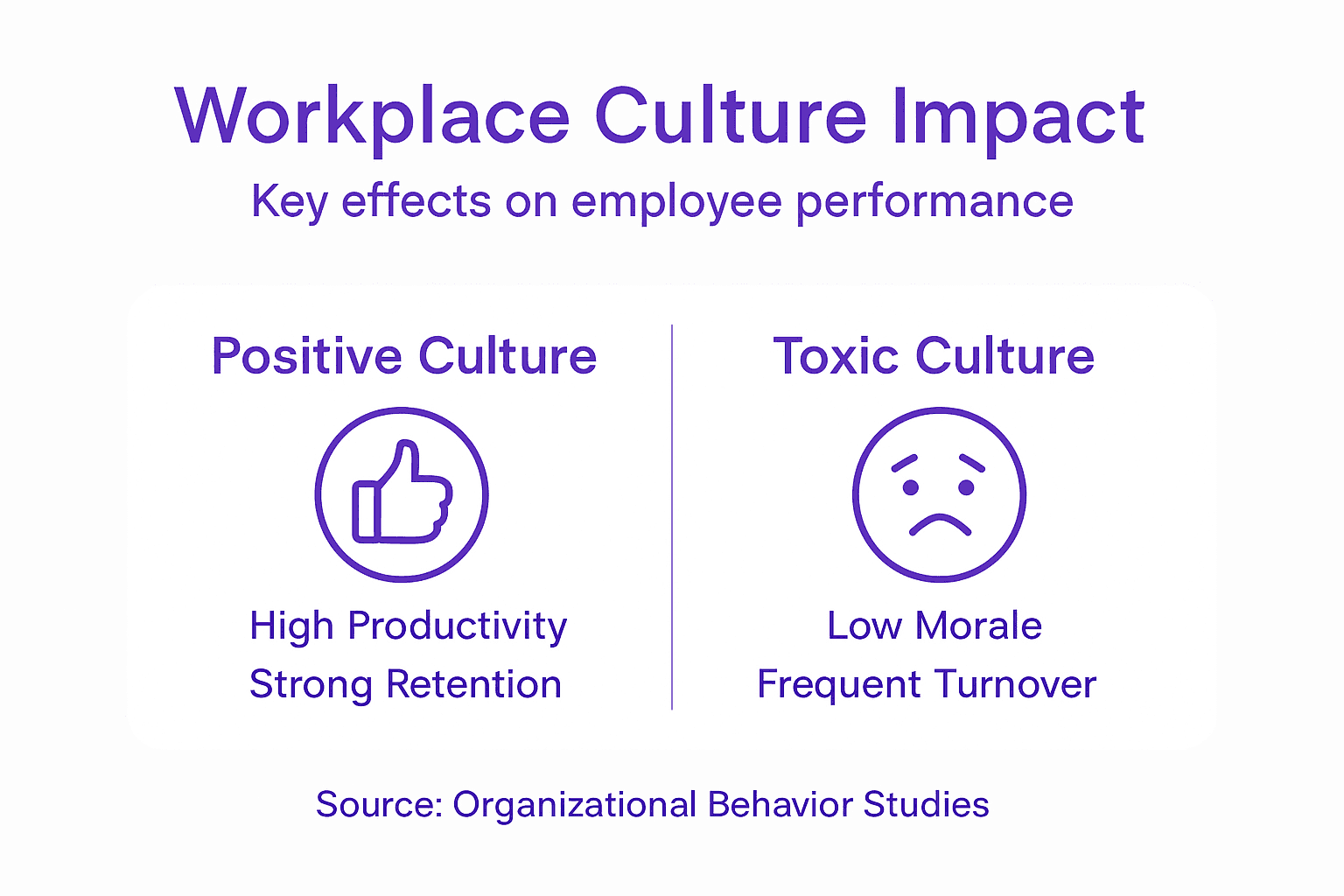
Negligent or harmful cultural environments generate cascading negative consequences that extend far beyond immediate interpersonal dynamics. These toxic conditions create systemic challenges that undermine organizational effectiveness, employee well-being, and long-term strategic potential.
Risks associated with toxic workplace cultures include:
- Decreased Employee Morale: Persistent negativity and disengagement
- High Turnover Rates: Talent exodus and recruitment challenges
- Reduced Productivity: Diminished motivation and collaborative capacity
- Legal and Reputational Risks: Potential harassment and discrimination claims
- Innovation Suppression: Fear-based environments limiting creativity
Critical manifestations of toxic culture emerge through multiple interconnected dimensions:
- Persistent communication breakdowns
- Systemic lack of accountability
- Inconsistent performance management
- Exclusionary behaviour patterns
- Chronic psychological safety deficits
Organizations must recognize that cultural transformation requires deliberate, sustained leadership commitment. Addressing toxic dynamics demands comprehensive strategies that realign organizational values, communication protocols, and behavioural expectations.
The following table compares outcomes of positive versus toxic workplace cultures:
| Culture Type | Employee Productivity | Innovation Capacity | Talent Retention |
|---|---|---|---|
| Positive Culture | High, collaborative | Encouraged, supported | Strong, long-term |
| Toxic Culture | Low, disengaged | Suppressed, risk-averse | Weak, high turnover |
Pro tip: Implement anonymous feedback mechanisms and regular cultural health assessments to proactively identify and mitigate potential toxic workplace dynamics.
Building and Sustaining Positive Workplaces
Positive workplace cultures are strategic ecosystems that intentionally nurture employee potential, engagement, and organizational success. Health promotion programs represent critical infrastructure for creating environments where employees can thrive and contribute meaningfully.
Building a sustainable positive workplace requires a multifaceted approach that goes beyond superficial interventions. Leaders must systematically design cultural architectures that align individual motivations with collective organizational objectives, creating environments of mutual trust, respect, and continuous growth.
Key strategies for cultivating positive workplace environments include:
- Transparent Communication: Fostering open, honest dialogue
- Psychological Safety: Creating spaces for vulnerability and learning
- Recognition and Appreciation: Regularly acknowledging employee contributions
- Inclusive Leadership: Valuing diverse perspectives and experiences
- Continuous Learning: Supporting professional development pathways
Successful positive workplace development involves multiple interconnected dimensions:
- Establishing clear, meaningful organizational values
- Implementing robust feedback mechanisms
- Designing flexible, supportive work structures
- Promoting work-life balance initiatives
- Cultivating a growth-oriented mindset
Organizations must recognize that positive culture is not a destination but a continuous journey of intentional design, measurement, and refinement. By embedding cultural intelligence into leadership practices, companies can create resilient, adaptive workplaces that attract and retain exceptional talent.
Pro tip: Conduct regular cultural pulse surveys and create cross-functional teams dedicated to ongoing workplace culture enhancement.
Unlock the True Power of Your Workplace Culture with Wurkn
The article highlights how crucial workplace culture is to employee motivation, productivity, and overall business performance. Challenges like toxic culture, lack of psychological safety, and neglected employee feedback can severely damage retention and innovation. If your organization struggles to capture authentic cultural insights or link employee sentiment directly to key performance indicators such as productivity and turnover, you need a solution that delivers real-time, actionable intelligence without disrupting workflows.
Wurkn’s cultural business intelligence platform meets leaders where work happens by capturing continuous anonymous feedback from Slack, Microsoft Teams, and other common communication tools. This approach uncovers the why behind cultural trends through AI-powered synthesis, empowering PeopleOps and CXO teams to identify risks early and make informed decisions that enhance employee engagement and boost performance. Learn how you can transform your organization’s culture into a strategic asset that drives measurable business results today.
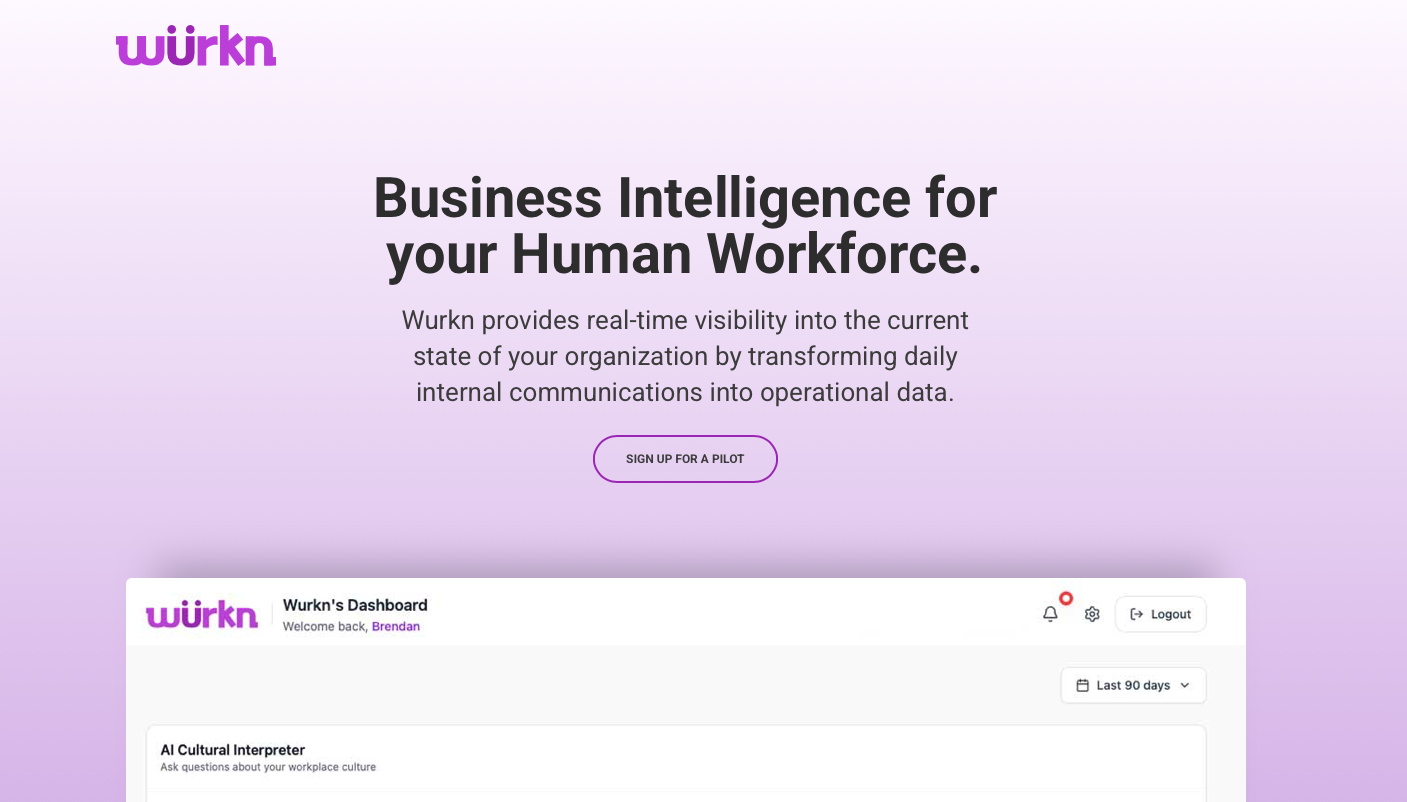
See how Wurkn connects workplace culture directly to business outcomes by visiting Wurkn. Start turning continuous employee sentiment into a living dashboard that supports healthier teams, reduced churn, and stronger organizational results. Don’t let hidden cultural issues undermine your goals. Take the first step now at Wurkn and experience cultural intelligence designed for transformational impact.
Frequently Asked Questions
What is workplace culture?
Workplace culture refers to the shared assumptions, values, and behaviours that define an organization’s environment. It influences employee interactions, decision-making, and overall organizational performance.
How does workplace culture impact employee performance?
Organizational culture significantly affects metrics such as employee motivation, job satisfaction, and productivity. A positive culture promotes engagement and encourages higher performance levels among employees.
What are the key elements that define workplace culture?
Key elements include unwritten behavioural expectations, communication styles, values and beliefs, attitudes towards innovation, and work-life balance perspectives.
Why is it important to assess organizational culture periodically?
Regular cultural assessments help identify underlying assumptions and areas needing strategic improvement, allowing leaders to intentionally shape a positive workplace environment.