

Collecting honest employee feedback often feels like a challenge when traditional surveys lead to guarded or incomplete responses. Many workers worry their opinions could affect their careers or workplace relationships, making it hard for you to get real, actionable insights. This can leave important issues hidden and stop your organization from making meaningful improvements.
The right mix of tools and approaches can change everything. From anonymous pulse surveys to real-time feedback spaces and peer recognition programs, there are proven ways to encourage open sharing and make employees feel truly heard. Keep reading to discover practical methods that will help your team build trust, gather genuine feedback, and spark positive change across your workplace.
Table of Contents
- 1. Anonymous Pulse Surveys For Honest Input
- 2. Always-On Feedback Channels In Slack And Teams
- 3. Peer-To-Peer Recognition Programmes
- 4. Manager Check-Ins With Actionable Insights
- 5. AI-Driven Sentiment Analysis Tools
- 6. Continuous Performance Conversations
- 7. Integrated Feedback Via Hris And Intranet Solutions
Quick Summary
| Key Message | Explanation |
|---|---|
| 1. Utilize Anonymous Pulse Surveys | Anonymous pulse surveys encourage candid employee feedback, enhancing response rates and real-time insights. |
| 2. Implement Always-On Feedback Channels | Use platforms like Slack and Teams for continuous dialogue, enabling quick, low-friction feedback sharing. |
| 3. Foster Peer-to-Peer Recognition | Encourage employees to acknowledge each other’s contributions, boosting collaboration and employee engagement. |
| 4. Conduct Regular Manager Check-Ins | Frequent manager check-ins facilitate meaningful discussions, supporting employee growth through actionable insights. |
| 5. Leverage AI-Driven Sentiment Analysis | AI tools provide nuanced insights into employee sentiment, transforming unstructured feedback into strategic intelligence. |
1. Anonymous Pulse Surveys for Honest Input
Employee feedback is the heartbeat of organisational growth and workplace satisfaction. Anonymous pulse surveys provide a powerful mechanism for capturing genuine employee sentiment without the fear of potential repercussions.
These brief, frequent surveys enable organisations to tap into the unfiltered perspectives of their workforce. By removing identifying information and guaranteeing confidentiality, companies can encourage employees to share their honest thoughts and experiences.
Key benefits of anonymous pulse surveys include:
- Increased response rates compared to traditional feedback methods
- More candid and genuine feedback
- Real-time insights into workplace dynamics
- Opportunity for rapid organisational adjustments
The most effective pulse surveys are concise and strategic. They typically involve:
- 3-4 carefully crafted questions
- Frequency of every 2-4 weeks
- Flexible question design to address current organisational needs
Anonymity transforms feedback from a cautious whisper to an honest conversation.
To maximise the impact of pulse surveys, organisations must communicate clear data usage policies and demonstrate a commitment to acting on the insights received.
Pro tip: Design your anonymous pulse surveys with specific, actionable questions that invite nuanced feedback rather than generic, easily dismissed inquiries.
2. Always-On Feedback Channels in Slack and Teams
Modern workplaces require continuous communication platforms that enable real-time dialogue and seamless feedback. Always-on feedback channels in collaboration tools like Slack and Microsoft Teams have revolutionised how organisations capture employee insights and maintain open lines of communication.
These digital platforms transform traditional feedback mechanisms by providing instant, accessible spaces for employees to share thoughts, concerns and suggestions. Unlike scheduled surveys or formal meetings, always-on channels create an environment of continuous dialogue and transparent communication.
Key advantages of using Slack and Teams for ongoing feedback include:
- Immediate communication across distributed teams
- Low-friction feedback submission
- Multi-channel communication options
- Integration with existing workplace workflows
- Reduced barriers to sharing honest perspectives
Real-time communication eliminates delays between employee experiences and organisational awareness.
Successful implementation requires creating dedicated channels for different feedback purposes and establishing clear communication norms that encourage open dialogue while maintaining professionalism.
Pro tip: Establish specific guidelines for your always-on feedback channels to ensure constructive dialogue and maintain a positive, solution-oriented communication culture.
3. Peer-to-Peer Recognition Programmes
In the evolving landscape of workplace culture, peer-to-peer recognition programmes represent a powerful mechanism for fostering genuine employee engagement. Research demonstrates compelling benefits for organisations that implement these collaborative appreciation systems.
These programmes empower employees to directly acknowledge and celebrate their colleagues’ contributions, moving beyond traditional top-down recognition models. By enabling team members to recognise each other’s achievements, organisations create a more inclusive and supportive work environment.
Key advantages of peer recognition include:
- Enhanced team collaboration
- Increased intrinsic motivation
- Improved employee engagement
- Stronger interpersonal connections
- Reduced workplace isolation
Authentic recognition from peers carries more emotional weight than formal managerial acknowledgements.
Successful implementation requires creating a structured yet flexible system that encourages frequent, meaningful recognition. This might involve digital platforms, regular sharing opportunities, and clear guidelines for meaningful feedback.
Pro tip: Design your peer recognition programme to emphasise specific, actionable praise that highlights individual contributions and aligns with organisational values.
4. Manager Check-Ins with Actionable Insights
Effective leadership demands more than traditional performance reviews—it requires consistent, meaningful dialogue between managers and team members. Frequent manager check-ins have emerged as a critical strategy for maintaining team alignment and individual employee growth.
These intentional conversations go beyond superficial status updates. They create opportunities for managers to understand individual challenges, provide real-time guidance, and demonstrate genuine commitment to employee development.
Key characteristics of powerful manager check-ins include:
- Short and focused interactions
- Regular cadence (weekly or biweekly)
- Emphasis on employee needs and support
- Two-way dialogue with actionable outcomes
- Flexible communication formats
Meaningful check-ins transform management from transactional oversight to strategic partnership.
Successful implementation requires creating a structured yet adaptable approach that respects individual communication preferences and team dynamics.
Pro tip: Standardise your check-in process with a consistent template while allowing enough flexibility to personalise conversations to each team member’s unique development journey.
5. AI-Driven Sentiment Analysis Tools
In the age of data-driven decision making, AI sentiment analysis represents a transformative approach to understanding employee experiences and organisational culture. Advanced AI techniques now enable organisations to extract nuanced insights from text data with unprecedented accuracy.
These sophisticated tools leverage machine learning algorithms to decode emotional undertones in employee communications, providing leaders with a comprehensive understanding of workforce sentiment beyond traditional survey methods.
Key capabilities of AI sentiment analysis include:
- Real-time emotional mapping
- Contextual understanding of complex language
- Multi-channel feedback interpretation
- Identification of emerging workplace trends
- Predictive insights about potential engagement issues
Sentiment analysis transforms unstructured feedback into strategic organisational intelligence.
Successful implementation requires selecting tools that balance technological sophistication with ethical data handling and respect for employee privacy.
Pro tip: Choose AI sentiment analysis tools that offer granular insights while maintaining robust anonymisation protocols to ensure employee trust and data protection.
6. Continuous Performance Conversations
Traditional annual performance reviews are rapidly becoming obsolete in today’s dynamic workplace. Continuous performance conversations represent a transformative approach to employee development and organisational growth.
These ongoing dialogues move beyond rigid numerical ratings to create a more nuanced, supportive environment where employee potential can be continuously nurtured. By replacing infrequent, high-pressure evaluations with regular meaningful exchanges, organisations can foster genuine professional growth and engagement.
Key characteristics of effective continuous performance conversations include:
- Frequent and scheduled interactions
- Qualitative and personalised feedback
- Collaborative goal-setting
- Real-time performance insights
- Emphasis on employee development
Performance conversations are not about judging—they are about understanding and supporting.
Successful implementation requires managers to develop active listening skills, create psychologically safe environments, and approach conversations with genuine curiosity about employee experiences and aspirations.
Pro tip: Design your continuous performance conversations as two-way dialogues where employees feel empowered to share insights about their challenges and opportunities, not just receive top-down assessments.
7. Integrated Feedback via HRIS and Intranet Solutions
Modern organisations are increasingly leveraging technology to create seamless feedback ecosystems. HRIS integration with intranet platforms enables comprehensive, real-time employee communication and insight gathering.
Human Resource Information Systems (HRIS) have evolved beyond traditional administrative tools to become strategic platforms for capturing organisational sentiment and driving employee engagement. By centralising feedback mechanisms, companies can transform fragmented communication into a cohesive, data-driven dialogue.
Key benefits of integrated feedback solutions include:
- Centralised communication channels
- Real-time data collection and analysis
- Automated feedback tracking
- Reduced administrative overhead
- Enhanced employee experience
Technology transforms feedback from a periodic event to a continuous conversation.
Successful implementation requires selecting platforms that balance technological sophistication with user-friendly design and robust privacy protections.
Pro tip: Choose HRIS solutions that offer flexible integration capabilities and support multi-channel feedback collection to ensure comprehensive organisational insights.
Below is a comprehensive table summarizing effective workplace feedback strategies discussed throughout the article.
| Strategy | Key Features | Advantages |
|---|---|---|
| Anonymous Pulse Surveys | Regular, confidential surveys with concise questions to assess employee sentiment. | High response rates, candid feedback, and actionable insights. |
| Always-On Feedback Channels | Continuous platforms for real-time team communication integrated into tools like Slack and Teams. | Encourages immediate expression of ideas and seamless integration with workflows. |
| Peer-to-Peer Recognition Programmes | Facilitates recognition among colleagues for contributions and achievements. | Boosts team collaboration and morale through inclusive practices. |
| Manager Check-Ins | Regular meetings focusing on understanding employee needs and goals. | Enhances managerial support and strategic workplace alignment. |
| AI-Driven Sentiment Analysis | Automated tools employing machine learning to assess emotional undertones in feedback. | Provides accurate, real-time monitoring of workplace sentiment. |
| Continuous Performance Conversations | Ongoing discussions to support and develop employees rather than annual reviews. | Promotes sustained employee engagement and professional growth. |
| Integrated Feedback Solutions via HRIS | Utilizes comprehensive platforms to centralize and simplify feedback processes. | Streamlined communication leading to cohesive decision-making. |
Unlock Continuous Employee Feedback That Drives Real Results
Organisations often struggle to gather honest, timely employee feedback without disrupting daily workflows or risking privacy concerns. This article highlights key methods like anonymous pulse surveys and always-on feedback channels that capture genuine sentiment and foster open communication. The challenge lies in transforming scattered feedback into actionable cultural intelligence that aligns with business goals such as retention and productivity.
Wurkn is designed to solve these exact pain points. Our platform captures anonymous, continuous employee input directly from Slack, Microsoft Teams, HRIS, and intranet systems without interrupting work. By fully anonymizing data and leveraging AI-driven sentiment analysis, Wurkn enables leaders to see not only what is happening in their workplace culture but why. This real-time, trustworthy insight helps people leaders and COOs diagnose issues early and guide decisions with confidence.
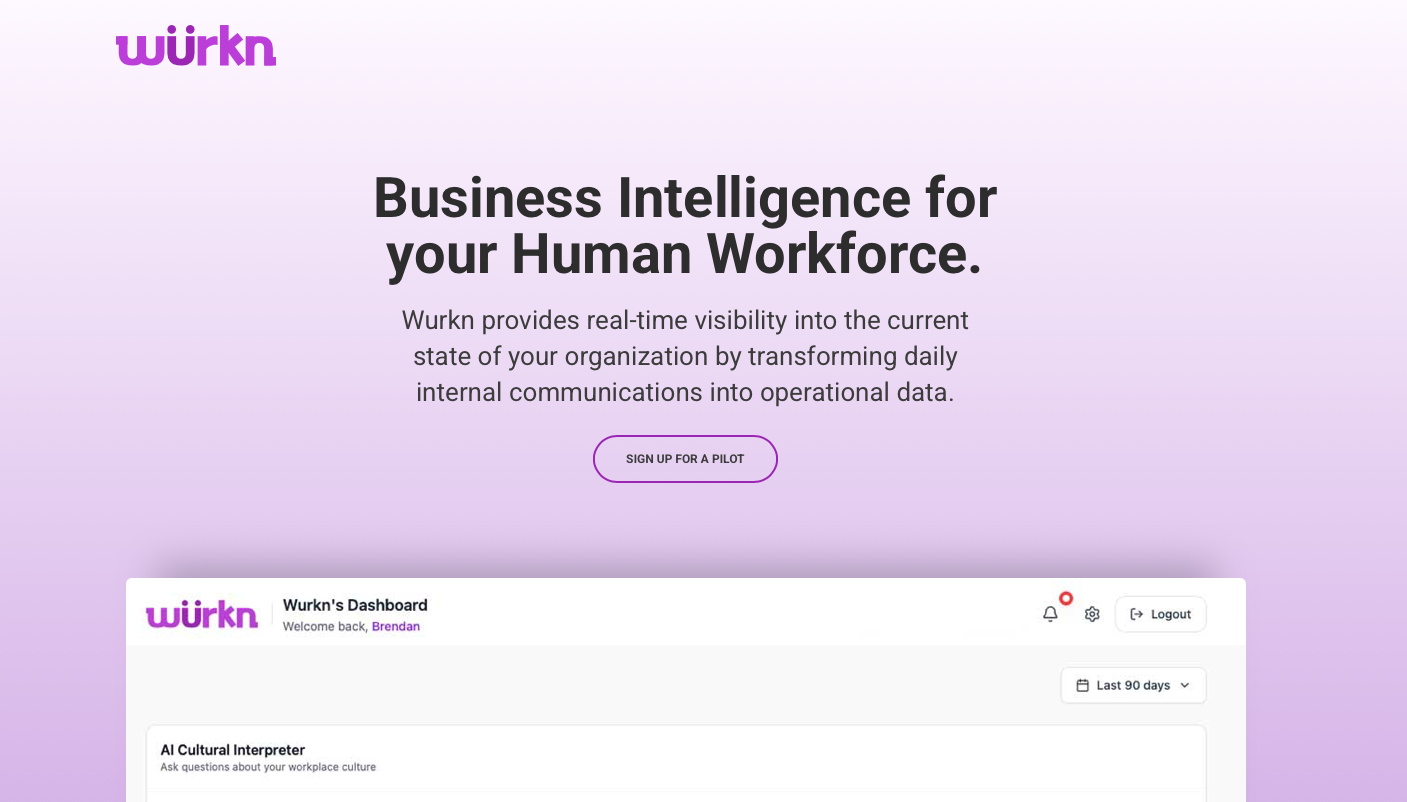
Discover how Wurkn can transform your employee feedback methods into a living dashboard that links culture to business success. Start building healthier teams, reduce churn, and improve performance today by visiting Wurkn. Embrace continuous, actionable feedback and empower your organisation now.
Frequently Asked Questions
What are anonymous pulse surveys and how do they work?
Anonymous pulse surveys are brief, frequent surveys that allow employees to share honest feedback without fear of repercussions. To implement them effectively, design 3-4 specific questions and send them out every 2-4 weeks to gather genuine insights on workplace dynamics.
How can I establish effective always-on feedback channels in Slack or Teams?
Always-on feedback channels are dedicated spaces within collaboration tools where employees can share thoughts in real time. Create specific channels for various types of feedback and set clear guidelines to encourage constructive dialogue while maintaining professionalism.
What is the benefit of peer-to-peer recognition programmes for employees?
Peer-to-peer recognition programmes empower employees to acknowledge each other’s contributions, fostering collaboration and engagement. To start, create a structured process for recognition that emphasises meaningful and specific praise aligned with company values.
How can I conduct effective manager check-ins?
Manager check-ins should focus on short, focused discussions that prioritise employee needs and foster two-way dialogue. Schedule these check-ins weekly or biweekly and standardise the process with a consistent template while allowing for personalisation to support individual development.
What role does AI-driven sentiment analysis play in employee feedback?
AI-driven sentiment analysis tools help organisations understand employee experiences by analysing emotional undertones in communications. To use them effectively, choose tools that ensure robust anonymisation protocols while providing insights into workplace trends and potential engagement issues.
How do I implement continuous performance conversations among my team?
Continuous performance conversations are ongoing dialogues that replace traditional annual reviews, enabling immediate feedback and collaborative goal-setting. Schedule regular interactions and approach conversations with curiosity to focus on employee development and engagement.
Leave a Reply