

Keeping employees engaged can be an ongoing challenge, especially as teams grow and communication becomes more complex. When people feel disconnected or unheard, motivation and productivity often suffer. The good news is that proven strategies exist to create a thriving and connected workplace.
You are about to discover practical, research-backed ways to build stronger team communication, encourage honest feedback, and boost meaningful participation. Get ready for actionable insights that will help you unlock higher motivation, trust, and employee commitment throughout your organization.
Table of Contents
- 1. Active Participation In Team Communication Channels
- 2. Regular Sharing Of Anonymous Feedback Or Suggestions
- 3. Voluntary Involvement In Cross-Functional Projects
- 4. Prompt Response To Company-Wide Initiatives
- 5. Positive Sentiment In Survey And Feedback Themes
- 6. Frequent Recognition And Peer Appreciation Activity
- 7. Consistent Use Of Wellness And Culture Resources
Quick Summary
| Key Message | Explanation |
|---|---|
| 1. Foster Active Team Communication | Encourage intentional engagement in communication channels to build trust and enhance team performance. |
| 2. Implement Anonymous Feedback Systems | Create secure channels for feedback to improve transparency and quality of suggestions, fostering a culture of trust. |
| 3. Encourage Voluntary Cross-Functional Projects | Allow team members to engage in projects beyond their roles to develop skills and promote interdepartmental collaboration. |
| 4. Respond Promptly to Initiatives | Cultivate a culture where timely engagement in company initiatives is encouraged, showing commitment to organisational goals. |
| 5. Promote Frequent Peer Recognition | Establish systems for regular acknowledgement among peers to enhance motivation and strengthen workplace relationships. |
1. Active Participation in Team Communication Channels
Effective team communication begins with intentional and consistent engagement across digital platforms. When team members actively contribute and interact in shared communication channels, they create a collaborative environment that drives organisational success.
Research demonstrates that organisations with high levels of communication participation experience significant improvements in employee engagement and team performance. These improvements stem from several key benefits:
- Enhanced trust among team members
- Increased transparency in organisational communication
- Faster problem-solving through collective input
- Stronger team cohesion and shared understanding
Active communication participation transforms isolated interactions into meaningful collaborative experiences.
To drive meaningful participation, HR leaders can implement strategies that encourage open dialogue and inclusive communication. These might include:
- Creating dedicated channels for different communication purposes
- Establishing clear participation guidelines
- Recognising and rewarding active contributors
- Leading by example through leadership engagement
Successful implementation requires creating an environment where every team member feels psychologically safe to share perspectives and contribute ideas. This means establishing communication norms that welcome diverse viewpoints and constructive dialogue.
Pro tip: Schedule regular “communication health check-ins” to assess and improve team interaction dynamics and identify potential barriers to open dialogue.
2. Regular Sharing of Anonymous Feedback or Suggestions
Anonymous feedback channels represent a critical strategy for building organisational trust and understanding employee perspectives. By creating safe spaces for candid communication, HR leaders can uncover insights that might otherwise remain hidden.
Research demonstrates that psychological safety in feedback mechanisms profoundly impacts employee engagement and organisational effectiveness. The CIPD evidence review highlights several key benefits of anonymous feedback systems:
- Reduced fear of negative consequences
- Increased organisational transparency
- Higher quality improvement suggestions
- Enhanced employee emotional investment
Anonymous feedback transforms workplace communication from a potential threat to a collaborative opportunity.
Successful implementation requires thoughtful design of feedback mechanisms. Organisations can achieve this through:
- Establishing clear confidentiality protocols
- Using secure digital platforms
- Demonstrating responsive action to feedback
- Communicating systemic changes inspired by employee input
The most effective anonymous feedback systems go beyond mere collection. They create meaningful dialogue between employees and leadership, signalling genuine commitment to continuous improvement.
Pro tip: Design anonymous feedback channels with multiple input methods to accommodate different communication preferences and comfort levels.
3. Voluntary Involvement in Cross-Functional Projects
Cross-functional project participation represents a powerful strategy for breaking down organisational silos and fostering employee engagement. By inviting team members to contribute beyond their primary roles employees gain broader perspectives and deeper organisational understanding.
Recent research highlights significant engagement benefits of voluntary multidisciplinary involvement. These collaborative experiences provide unique opportunities for professional growth and organisational connection.
Key advantages of cross-functional project participation include:
- Enhanced interdepartmental communication
- Expanded skill development
- Increased organisational visibility
- Stronger professional networking
Voluntary engagement transforms employees from isolated workers into collaborative organisational contributors.
Successful cross-functional participation requires strategic implementation:
- Create clear project selection processes
- Establish reasonable time commitments
- Provide necessary resources and support
- Recognise and reward cross-functional contributions
The most effective organisations view cross-functional participation as a developmental opportunity rather than an additional workload. This approach signals trust in employee capabilities and commitment to their professional growth.
Pro tip: Design a transparent project marketplace where employees can browse and self-select cross-functional opportunities aligned with their interests and organisational needs.
4. Prompt Response to Company-Wide Initiatives
Responding quickly and enthusiastically to company-wide initiatives signals an employee’s commitment and alignment with organisational goals. It transforms passive participation into active engagement and demonstrates a genuine investment in collective success.
Research highlights that employee engagement correlates with responsive participation in organisational efforts. Companies that cultivate a culture of prompt and meaningful involvement see significant improvements in team dynamics and overall performance.
Key benefits of proactive initiative response include:
- Increased organisational alignment
- Enhanced communication transparency
- Stronger team cohesion
- Demonstrated professional commitment
Quick engagement transforms corporate communications from one-way broadcasts into collaborative dialogues.
To effectively encourage prompt responses organisations can:
- Clarify expectations for initiative participation
- Create user-friendly communication channels
- Recognise and reward timely engagement
- Provide context and rationale for initiatives
Successful implementation requires creating an environment where responding becomes a cultural norm rather than an additional task.
Pro tip: Design streamlined, mobile-friendly platforms that make participating in company initiatives as simple and intuitive as responding to a text message.
5. Positive Sentiment in Survey and Feedback Themes
Positive sentiment in employee surveys represents more than just good feelings it is a critical indicator of organisational health and engagement. When employees express constructive and affirmative perspectives their feedback becomes a powerful diagnostic tool for leadership.
Recent research demonstrates that employee sentiment strongly correlates with engagement levels and organisational performance. Understanding these sentiment themes provides HR leaders with nuanced insights into workforce psychology.
Key characteristics of positive sentiment include:
- Consistent optimistic language
- Solution-oriented perspectives
- Expressions of organisational pride
- Constructive recommendation patterns
Positive sentiment transforms surveys from measurement tools into strategic conversation platforms.
HR leaders can cultivate positive sentiment by:
- Creating psychologically safe feedback environments
- Demonstrating responsive action to suggestions
- Recognising and amplifying constructive contributions
- Providing transparent communication about organisational changes
Successful implementation requires viewing employee sentiment as strategic intelligence rather than just numerical data.
Pro tip: Design multi-dimensional survey instruments that capture not just satisfaction scores but the qualitative emotional context behind employee responses.
6. Frequent Recognition and Peer Appreciation Activity
Peer recognition transforms workplace dynamics by creating a culture of genuine appreciation and mutual respect. When employees regularly acknowledge each other’s contributions the entire organisational ecosystem becomes more positive and collaborative.
Research demonstrates that systematic peer appreciation programs significantly enhance employee engagement and organisational loyalty. These programs go beyond traditional top-down recognition models by empowering every team member to celebrate collective and individual achievements.
Key benefits of frequent recognition include:
- Increased intrinsic motivation
- Enhanced team psychological safety
- Improved interpersonal relationships
- Stronger organisational culture
Recognition transforms workplace interactions from transactional to meaningful connections.
Effective peer appreciation strategies involve:
- Creating accessible recognition platforms
- Establishing clear appreciation guidelines
- Encouraging diverse forms of acknowledgement
- Making recognition visible and inclusive
Successful implementation requires viewing appreciation as a strategic communication tool that reinforces organisational values and individual contributions.
Pro tip: Design peer recognition mechanisms that are immediate, specific and tied to core organisational behaviours to maximise their impact and authenticity.
7. Consistent Use of Wellness and Culture Resources
Wellness and culture resources represent more than peripheral benefits they are essential strategic tools for building a thriving organisational ecosystem. Regular engagement with these initiatives signals an employee’s deeper connection to workplace community and personal development.
Research demonstrates that consistent participation in workplace resources directly correlates with enhanced employee satisfaction and organisational commitment. By intentionally utilising available wellness and cultural programs employees demonstrate both personal investment and organisational alignment.
Key benefits of consistent resource engagement include:
- Holistic personal development
- Improved mental health awareness
- Enhanced workplace belonging
- Proactive professional growth
Wellness resources transform workplace support from transactional to transformational experiences.
Organisations can encourage consistent resource utilisation through:
- Creating easily accessible wellness platforms
- Offering diverse program options
- Integrating resources into daily workflows
- Removing participation barriers
Successful implementation requires viewing wellness as an integrated organisational strategy rather than a standalone initiative.
Pro tip: Design wellness resources with flexible participation models that accommodate diverse employee preferences and schedules.
Below is a comprehensive table summarising the key points and strategies presented in the article regarding effective workplace communication and engagement practices.
| Focus Area | Primary Strategies | Key Benefits |
|---|---|---|
| Active Communication Participation | Encouraging consistent engagement, fostering psychological safety, and recognising contributors. | Enhances trust, transparency, problem-solving, and cohesion. |
| Anonymous Feedback Mechanisms | Establishing confidentiality policies, using secure platforms, acting on suggestions. | Improves transparency, encourages high-quality inputs, and builds employee trust. |
| Cross-Functional Involvement | Offering clear selection processes, providing resources, and recognising efforts. | Promotes expanded skillsets, stronger networking, and interdepartmental collaboration. |
| Proactive Participation in Initiatives | Clarifying expectations, using user-friendly platforms, and providing context. | Builds alignment, cohesion, and a culture of collaboration. |
| Emphasising Positive Feedback | Ensuring psychological safety, showcasing action taken, and collecting qualitative insights. | Reflects organisational health, increases optimism, and cultivates pride in the organisation. |
| Peer Recognition Practices | Creating accessible platforms, setting recognition norms, and encouraging diversity in acknowledgment. | Boosts motivation, interpersonal respect, and a positive culture. |
| Utilisation of Wellness Resources | Removing barriers, diversifying options, and integrating resources into workflows. | Enhances mental health, personal development, and workplace belonging. |
This table provides a structured overview of the discussed techniques for fostering engagement and developing organisational culture.
Unlock Real-Time Employee Engagement Insights with Wurkn
The article highlights key challenges HR leaders face such as capturing authentic employee sentiment, encouraging anonymous feedback, and linking cultural signals to business outcomes. If you are striving to move beyond static surveys toward a dynamic understanding of your organisation’s health, Wurkn offers a solution tailored precisely to these needs. With always-on feedback captured seamlessly through platforms like Slack and Microsoft Teams, Wurkn ensures your team’s voices are heard in real time without disrupting workflows.
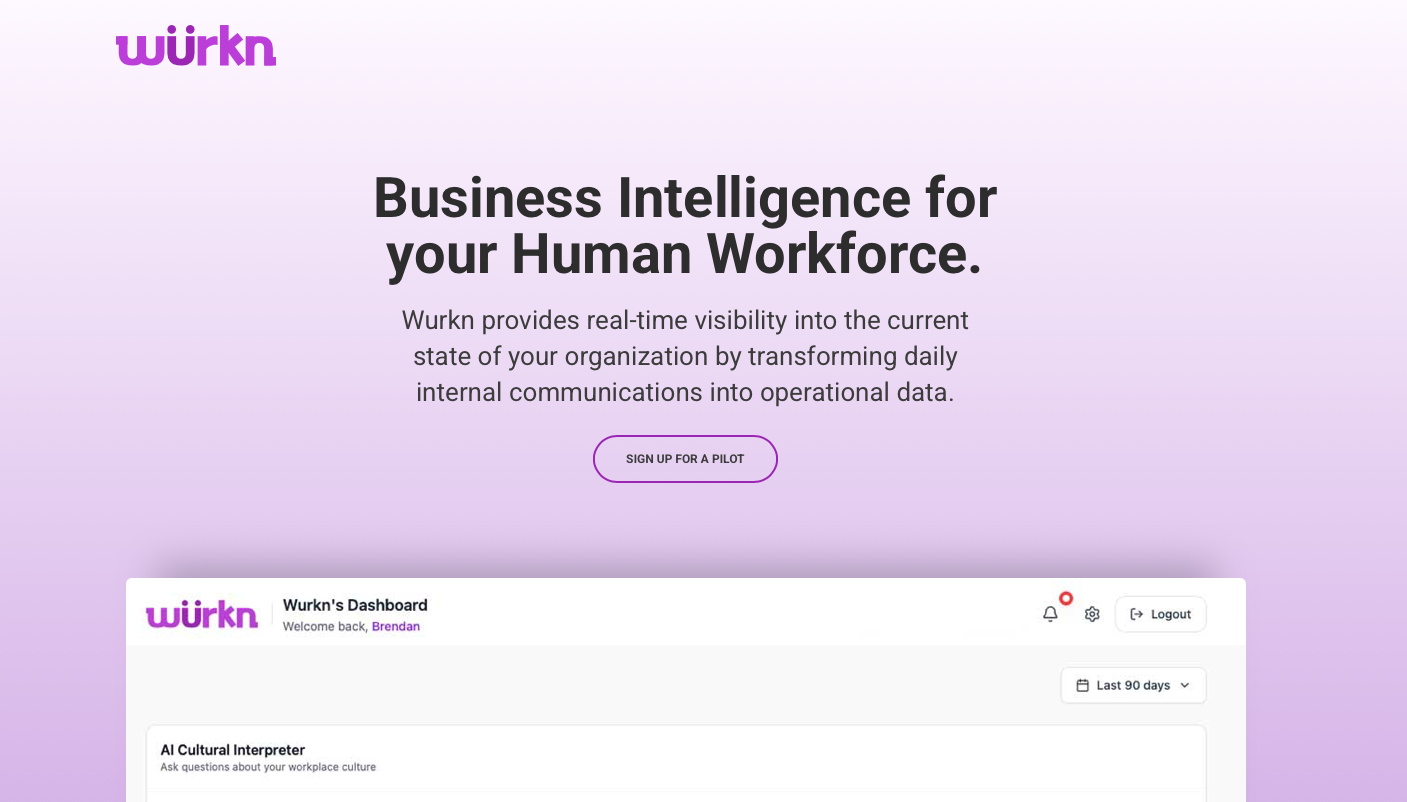
Discover how to transform diverse employee engagement signals into actionable cultural intelligence. Don’t wait for issues to escalate. Visit Wurkn now to explore a platform designed for PeopleOps and CXO leaders eager to foster trust, enhance transparency, and drive better business results through continuous insight. Start building healthier teams and reducing churn today with Wurkn’s cultural business intelligence.
Frequently Asked Questions
How can HR leaders assess employee engagement signals effectively?
To assess employee engagement signals, HR leaders should implement regular check-ins and feedback mechanisms. Start by scheduling bi-weekly meetings to discuss engagement metrics and identify areas for improvement.
What are some practical ways to encourage participation in team communication channels?
Encourage participation in team communication channels by establishing clear guidelines and recognizing active contributors. Create dedicated channels for specific purposes, and consider rewarding team members who consistently engage within the first month.
How can HR leaders utilize anonymous feedback to improve workplace culture?
HR leaders can improve workplace culture by implementing anonymous feedback mechanisms that allow employees to share their perspectives safely. Design these channels to be user-friendly and demonstrate responsiveness to feedback within 30 days to build trust.
What strategies can be employed to promote cross-functional project involvement?
To promote cross-functional project involvement, establish clear project selection processes and provide necessary resources. Encourage employees to explore opportunities that interest them, ensuring this information is accessible and transparent.
How can recognition and appreciation impact employee engagement?
Frequent recognition and appreciation can significantly enhance employee engagement by fostering a positive workplace culture. Create accessible platforms for peer recognition and ensure that appreciation efforts are made visible to all employees in real-time.