

When top engineers quit, it often signals deeper issues than just salary or perks. For People Ops teams navigating the realities of 2026, making sense of what truly keeps tech talent is more complex than ever. Findings now reveal that a strong sense of belonging and feeling valued shape retention outcomes much more than pay alone, signalling a seismic shift in how organisations must craft their retention playbook.
Table of Contents
- Defining Employee Retention Factors in 2026
- Types of Retention Drivers Unique to Tech
- How Recognition and Feedback Spur Engagement
- Role of Leadership, Communication, and Trust
- Risks, Costs, and Data-Driven Strategies for Retention
Key Takeaways
| Point | Details |
|---|---|
| Employee Retention Factors | Key drivers include feeling valued, professional development, and work-life balance, rather than just salary. |
| Importance of Recognition | Continuous recognition and constructive feedback are essential for maintaining engagement among tech employees. |
| Leadership Impact | Transformational leadership fosters trust, communication, and commitment, significantly enhancing employee retention. |
| Data-Driven Strategies | Implement predictive analytics to identify potential turnover and proactively address engagement issues before employees resign. |
Defining Employee Retention Factors in 2026
Employee retention factors are the concrete conditions and experiences that determine whether people stay at your organisation or leave. In tech workplaces, these aren’t just abstract concepts—they’re measurable drivers tied directly to your business outcomes.
The challenge for People Ops leaders is distinguishing between what actually matters and what feels important. Recent research shows that feeling valued and belonging predict retention far more strongly than salary alone. This shift fundamentally changes how you should design your retention strategy.
What Actually Drives Retention in Tech
Three core categories shape whether your technical talent stays:
- Environmental factors: Supportive work culture, trust with leadership, psychological safety, and belonging
- Professional factors: Career development paths, skills growth, challenging work, and advancement opportunities
- Personal factors: Work-life balance, flexibility, compensation that feels fair, and alignment with values
These overlap constantly. A talented engineer might leave not because of pay, but because they feel undervalued despite earning market rate. Another might leave for “better work-life balance,” when the real issue is feeling isolated in a distributed team.
The strongest retention predictor isn’t money—it’s whether people feel they belong and contribute meaningfully to their team’s mission.
In 2026, tech organisations face intensified pressure from workforce dynamics. Supportive work environments and career development remain critical, but contextual factors matter too. Your company culture, leadership quality, compensation equity, and flexibility options all interact. What retains someone at a startup differs from what keeps them at a Fortune 500 company.
Why 2026 Is Different
Your retention landscape has shifted. Remote work normalisation means geographic advantages disappear. Generational expectations around flexibility and purpose changed permanently. Tech talent now openly prioritises companies where they feel genuinely valued over pure compensation gains.
The CUPA-HR 2025 data emphasises that sustainable, satisfying work environments drive retention outcomes—not quick fixes or one-time perks.
Measuring What Matters
Retention factors only matter if you can diagnose them in real time. Generic annual surveys miss the signals you need:
- Team sentiment shifts before people resign
- Burnout indicators emerge in day-to-day feedback, not exit interviews
- Belonging issues cluster by team, department, or demographic group
- Career development gaps surface when mentioned repeatedly across your workforce
Understanding these factors requires capturing continuous, anonymous feedback from where work happens—not waiting for formal review cycles or employee surveys your team ignores.
Pro tip: Start mapping your current retention factors by reviewing exit interview themes from the last 12 months, then cross-reference them with pulse feedback from staying employees to identify which issues are organisation-wide versus team-specific.
Types of Retention Drivers Unique to Tech
Tech companies face retention pressures that don’t exist in other industries. Your engineers and specialists leave for reasons distinctly different from traditional sectors. Understanding these unique drivers is critical because generic retention strategies often fail in software development, infrastructure, product management, and data science teams.
The tech industry’s rapid pace creates its own retention dynamics. Technologies become obsolete quickly. Career trajectories shift within months. Compensation packages alone won’t keep someone who feels stuck professionally or intellectually unchallenged.
Here’s a summary comparing retention drivers in tech versus non-tech industries:
| Retention Driver | Tech Industry Focus | Non-Tech Industry Focus |
|---|---|---|
| Career Development | Rapid skills growth, cutting-edge tech | Seniority, gradual promotion |
| Flexibility | Remote, async, global roles | Traditional hours, on-site work |
| Recognition | Peer acknowledgement, visible impact | Manager praise, team celebrations |
| Autonomy | High control over projects/tools | Standardised workflows |
| Compensation | Must feel fair, but not primary driver | Often higher importance |
| Culture & Belonging | Inclusion in distributed teams | Local camaraderie, workplace events |
The Core Tech Retention Drivers
Three factors dominate tech retention:
- Autonomy and control: Developers and technical specialists demand input on how they work, what tools they use, and which problems they solve. Micromanagement drives talent out faster than low pay.
- Flexible work arrangements: Remote options, flexible schedules, and async-first cultures appeal strongly to tech talent. Geographic flexibility means your competitor is literally anyone globally.
- Recognition and psychological empowerment: Tech professionals want their contributions visible. They need to see their work’s impact and feel genuinely valued for solving hard problems.
These overlap with what we covered earlier—belonging and feeling valued matter everywhere. But in tech, they manifest differently. A developer feels valued through code reviews, shipped features, and solving complex challenges. That’s distinct from feeling valued through manager appreciation or team events.
Why Tech Talent Leaves (The Real Reasons)
Tech people rarely leave because of base salary alone. They leave because:
- Work environment feels chaotic or misaligned with their values
- Technical decisions exclude them from influence
- Growth opportunities stagnate or require leaving the company
- Flexibility disappears—suddenly mandatory office days return
- Innovation culture gets replaced with maintenance mode
Recognition and competitive compensation matter, but non-monetary retention strategies like career development and organisational culture often outweigh pay in tech. A specialist might accept lower compensation for a role where they own autonomy and learn bleeding-edge skills.
In tech, talent leaves not because the problem is hard, but because they’re solving the wrong problem or solving it the wrong way.
The Specialisation Problem
Tech retention gets harder because skills matter. A Python engineer can’t simply be replaced by a JavaScript developer. Niche specialties—machine learning, distributed systems, security—create intense competition. Your retention strategy must account for the scarcity of specific skill sets.
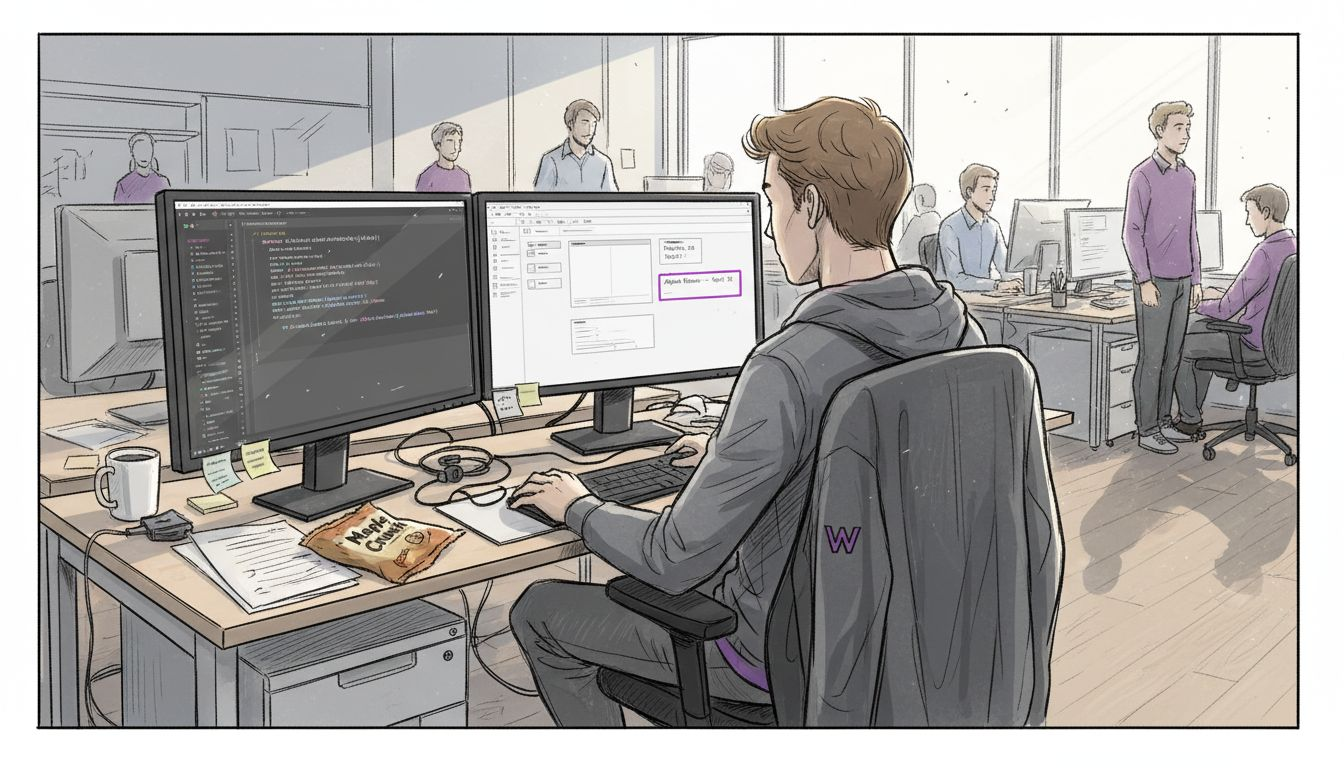
When your organisation fails to offer growth in these high-demand areas, competitors recruit aggressively. They know exactly what your team member wants next.
Pro tip: Map your technical team’s specialisations and their stated growth goals, then audit whether your current projects and learning budget actually support those paths—misalignment here is invisible until people resign.
How Recognition and Feedback Spur Engagement
Recognition and feedback are not the same thing, but they work together. Recognition celebrates what someone accomplished. Feedback explains what to do next. Tech teams thrive when both happen consistently and genuinely.
Here’s the critical insight: people disengage when they feel invisible. They ship code nobody acknowledges. They solve hard problems that nobody notices. That invisibility drives resignations faster than you’d expect.
Why Recognition Matters More Than You Think
Recognition creates visibility and psychological safety. When someone knows their work matters, they stay. When they’re uncertain if anyone noticed, they start looking elsewhere.
There’s a significant positive relationship between consistent recognition and sustained performance. People who receive regular acknowledgement perform better and stay longer. It’s not complicated psychology—people repeat behaviours that get recognised.
In tech specifically, recognition is tricky. Engineers care about peer recognition more than manager praise. They want their code reviewed seriously. They want hard technical decisions attributed to them. They want the team to know their contributions.
How Feedback Drives Real Engagement
Constructive feedback perceived as useful sustains engagement. The key word is “useful.” Random criticism damages engagement. Feedback tied to growth and delivered with genuine intent strengthens it.
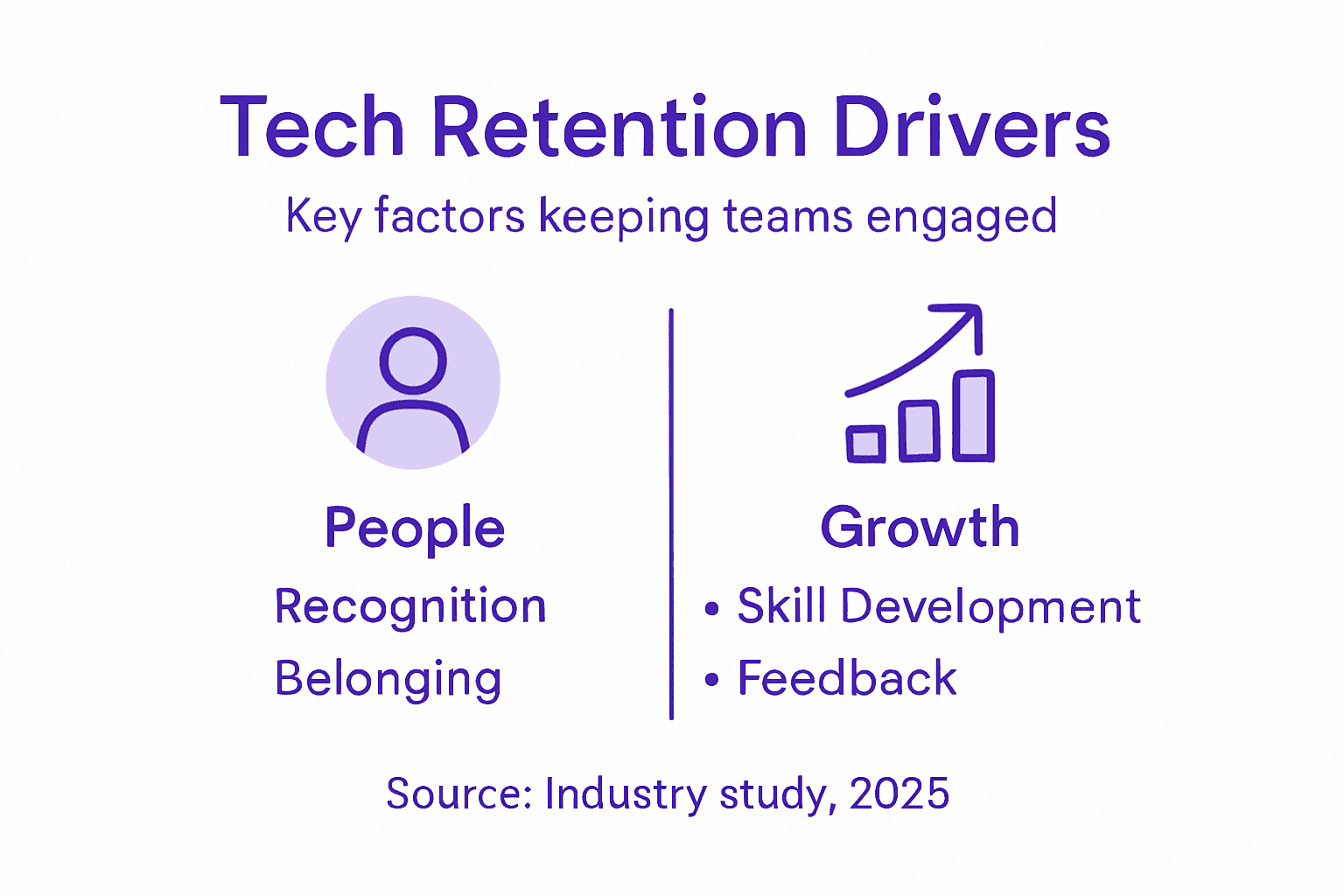
Positive emotional responses to feedback enhance engagement directly. When someone receives feedback that helps them improve, they feel invested in the organisation’s mission. They see a path forward.
Tech teams need feedback loops that happen constantly, not annually:
- Code reviews that include specific, actionable comments
- One-on-ones focused on growth, not just status updates
- Post-launch retrospectives where contributions are named
- Team discussions crediting who solved what problems
- Public recognition of technical achievements
Recognition without feedback feels hollow. Feedback without recognition feels like criticism.
The Engagement Cycle
Engagement works like this: someone contributes, receives recognition, gets useful feedback, improves, and stays. Break any link in that chain and they disengage.
Many tech organisations fail here. They give feedback during performance reviews once yearly. By then, the feedback is stale and the absence of recognition has already damaged morale.
Continuous recognition and feedback creates momentum. People see their impact. They understand how they improve. They know the organisation values them. That compounds into genuine engagement.
Pro tip: Implement a weekly or bi-weekly team recognition practice where team members explicitly call out specific contributions from their peers, then pair that with structured feedback on growth opportunities discussed one-on-one.
Role of Leadership, Communication, and Trust
Leadership style determines whether people stay or leave. Not compensation. Not perks. Leadership. A bad manager can destroy retention across an entire team faster than any external competitor can recruit them.
Trust and communication are the mechanism. Without them, nothing else matters. With them, people forgive a lot of organisational dysfunction.
Why Leadership Style Matters for Retention
Transformational leadership enhances employee motivation and retention. These leaders inspire, support, and empower rather than command and control. They create psychological safety where people can admit mistakes, ask questions, and take risks.
Transformational leaders reduce turnover directly. Their teams commit to the organisation because they commit to the leader. That commitment compounds.
The opposite kills retention. Micromanaging leaders breed resentment. Leaders who hoard information create distrust. Leaders who take credit for team wins drive people out.
The Trust and Communication Foundation
Trust is earned through warmth and demonstrated competence. People follow leaders they believe understand them and can actually do the job.
Warmth without competence feels fake. Competence without warmth feels threatening. Both matter equally. Leadership warmth and competence significantly influence trust levels, which directly support retention.
Communication failures are where trust dies. When leaders communicate inconsistently, people speculate. They assume bad intentions. They start looking elsewhere because they don’t understand the direction or why their work matters.
What This Looks Like in Tech Teams
Tech leaders must communicate technical decisions, not just business outcomes. Engineers need to understand the strategy behind architecture choices. They need context for why certain projects get prioritised.
Trust-building practices for tech leadership:
- Transparent technical decision-making with reasoning explained
- Regular one-on-ones focused on growth, not surveillance
- Admitting when you don’t know something and finding answers together
- Protecting your team from unnecessary organisational chaos
- Delivering on commitments, especially around career development
Leaders who admit mistakes and ask for help build more trust than leaders who pretend to have all answers.
When leaders model vulnerability, teams feel safe to be honest. That honesty surfaces real problems before they become resignations.
Pro tip: Establish a monthly leadership feedback loop where your team anonymously rates trust and communication on specific dimensions, then discuss results together to identify what behaviours to change.
Risks, Costs, and Data-Driven Strategies for Retention
Every person who leaves your tech team costs money you don’t see in the budget. Recruitment fees, onboarding time, lost productivity, knowledge transfer gaps—it adds up fast. Then there’s the invisible cost: team morale dips when people leave unexpectedly.
Most organisations treat retention as a people problem. It’s actually a business problem with financial consequences that should be quantified and managed like any other risk.
The Real Cost of Turnover
Turnover in tech costs 150% to 200% of annual salary per person. That includes recruiting, hiring, onboarding, and ramp-up time before someone becomes fully productive. For a senior engineer earning $150,000, one departure costs $225,000 to $300,000.
When you lose multiple people in one team, the costs compound. Remaining people feel overwhelmed. Knowledge walks out the door. Projects slip. Quality suffers. New hires need mentoring from already-stressed engineers.
Then there’s the risk. Losing key people to competitors means losing institutional knowledge about your systems, your roadmap, and your technical decisions. That risk isn’t always quantifiable but it’s real.
Moving From Reactive to Proactive Retention
Predictive analytics identify high-risk turnover employees before they resign. This shifts retention from responding to departures to preventing them.
Data-driven retention looks like this: you identify patterns in who leaves and why. Then you intervene before they hand in notice. Someone hasn’t received promotion feedback in two years? Flag it. A team has had three departures in six months? Investigate. Someone’s engagement scores dropped 40 points last quarter? Reach out.
Data-driven retention efforts reduce turnover by up to 25%, saving millions in replacement costs while enhancing engagement simultaneously.
Here is a concise breakdown of the business impact for proactive versus reactive retention approaches:
| Approach | Description | Business Impact |
|---|---|---|
| Reactive | Acts after resignations occur | Increased costs, lost talent |
| Proactive | Uses analytics to predict turnover | Reduced attrition, cost saving |
| Data-Driven | Tracks patterns and intervenes early | Higher engagement, productivity |
Building a Data-Driven Retention Strategy
Start with visibility. You can’t manage what you don’t measure:
- Track who’s leaving and their tenure, role, and department
- Monitor engagement signals continuously, not annually
- Identify patterns—which teams, which managers, which career stages lose people
- Connect departures to business outcomes: lost projects, missed deadlines, quality issues
- Map leading indicators: declining feedback participation, missed 1-on-1s, reduced collaboration
You can’t fix what you can’t see. Data makes retention visible.
Once you have visibility, you can act. Analytics tell you which interventions matter. Do exit interviews matter? Track whether people who received promotion conversations stayed. Did flexible work drive retention? Compare teams with and without flexible options.
Pro tip: Start by exporting your last 18 months of departures into a spreadsheet and categorising by tenure, role, and stated reason, then cross-reference with your current engagement data to identify whether patterns exist that your current retention strategies are missing.
Unlock Real-Time Insights to Boost Employee Retention in Tech Workplaces
Struggling to pinpoint the exact reasons why your top tech talent leaves despite your best efforts? The article highlights how traditional surveys miss vital signals like belonging, autonomy, and continuous feedback that truly drive retention in tech teams. At Wurkn, we understand these challenges—capturing always-on, anonymous employee sentiment where work happens such as Slack and Microsoft Teams. Our platform transforms cultural intelligence into actionable insights linked directly to business outcomes like retention and productivity. This means you can detect early signs of disengagement and address issues before key people resign.
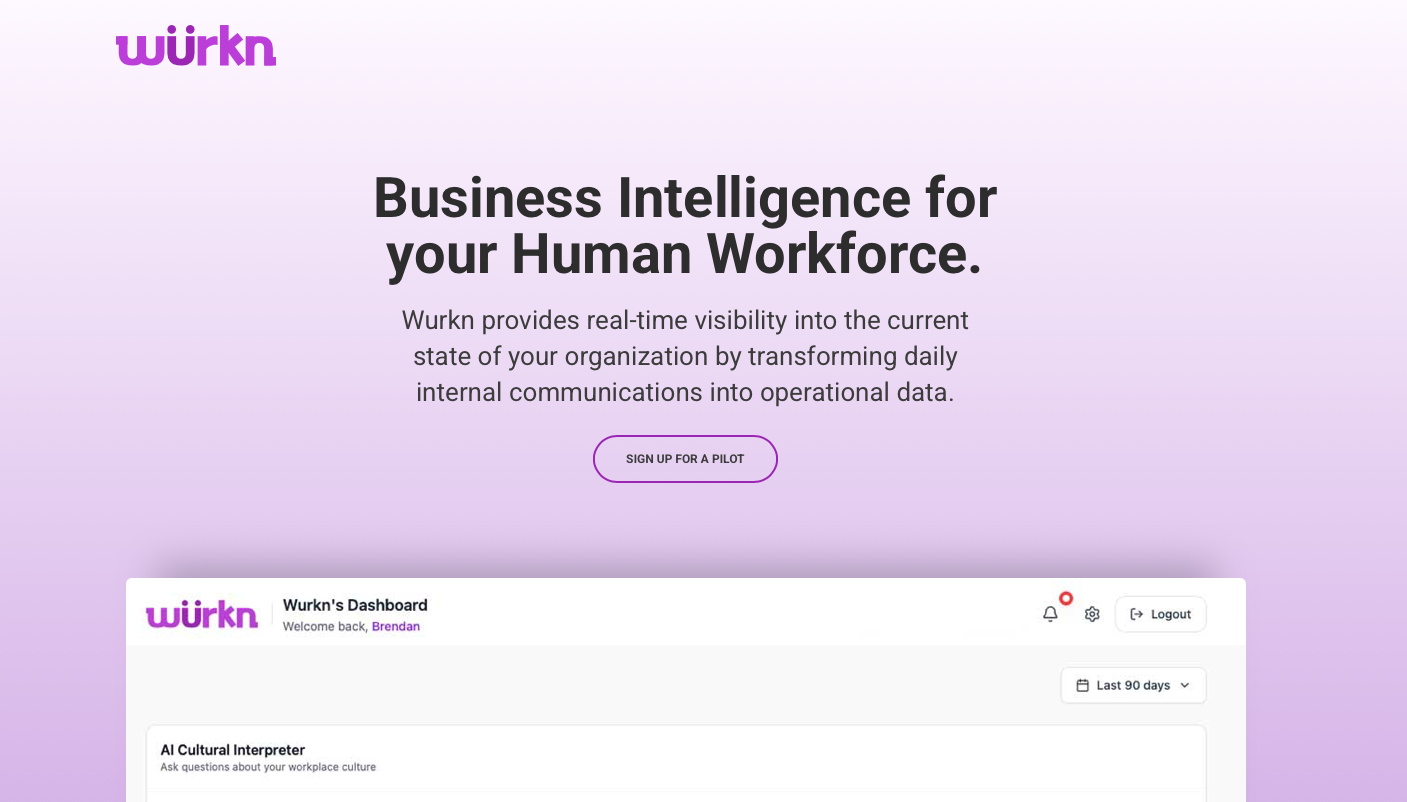
Start building healthier, more engaged tech teams today by harnessing data-driven strategies that go beyond static surveys. Visit Wurkn to see how continuous feedback and cultural analytics help PeopleOps and CXOs reduce churn and improve performance. Don’t wait until turnover costs escalate—take proactive steps now with Wurkn and transform employee retention into a clear competitive advantage.
Frequently Asked Questions
What are the main factors influencing employee retention in tech workplaces?
The main factors include environmental factors like supportive work culture and psychological safety, professional factors such as career development opportunities, and personal factors including work-life balance and alignment with values.
How can companies measure employee retention factors effectively?
Companies can measure retention factors by capturing continuous, anonymous feedback, observing team sentiment shifts, recognizing burnout indicators early, and analyzing feedback related to career development gaps.
Why is belonging more important than salary in tech employee retention?
Belonging creates a sense of value and contribution among employees, which significantly impacts their decision to stay, often more so than salary alone. Tech employees want to feel included and appreciated for their contributions.
What role does leadership play in employee retention in tech?
Leadership plays a critical role in employee retention. Transformational leaders who inspire, support, and empower their teams foster trust and motivation, while negative leadership styles can lead to high turnover rates.