
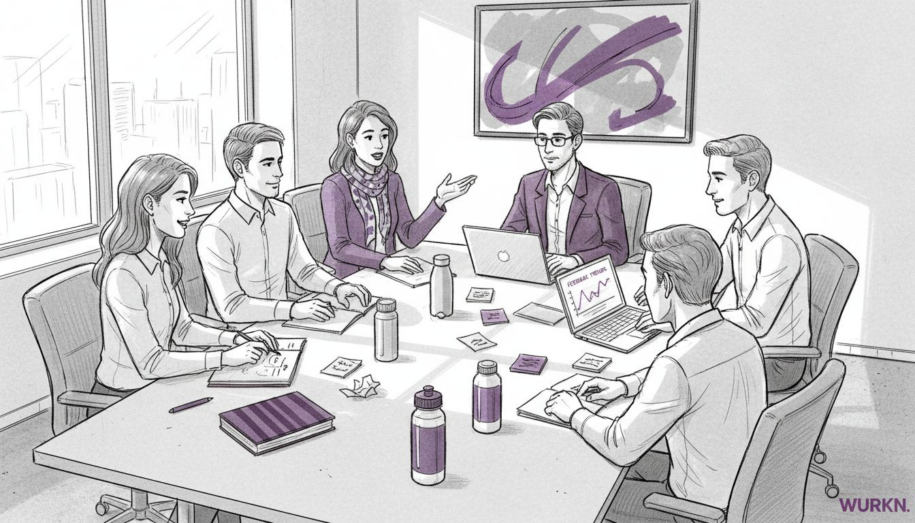
Switching from scattered performance reviews to a truly continuous feedback system can reveal more than just process gaps—it exposes core cultural habits within your organisation. Many mid-sized tech companies find that fragmented methods and mixed perceptions about feedback slow progress towards stronger engagement and retention. Assessing readiness for a continuous feedback culture is your first step to avoid wasted effort, spot structural barriers, and create a clear plan that fits your team’s real needs.
Table of Contents
- Step 1: Assess Readiness For Continuous Feedback Systems
- Step 2: Implement Integrated Feedback Collection Tools
- Step 3: Encourage Participation And Ensure Data Privacy
- Step 4: Analyse Cultural Signals And Link To KPIs
- Step 5: Review Performance And Adjust Feedback Processes
Quick Summary
| Key Insight | Explanation |
|---|---|
| 1. Assess organisational readiness | Evaluate current feedback systems and culture to prepare for continuous feedback implementation. |
| 2. Integrate effective feedback tools | Choose tools that align with existing workflows to capture feedback seamlessly without disruption. |
| 3. Ensure data privacy and transparency | Clearly communicate data handling practices to build trust and encourage participation among employees. |
| 4. Link feedback to business outcomes | Map feedback themes to key performance indicators to enhance strategic alignment and measure impact. |
| 5. Regularly review and adjust processes | Continuously assess feedback system effectiveness and make necessary adjustments to improve participation and relevance. |
Step 1: Assess readiness for continuous feedback systems
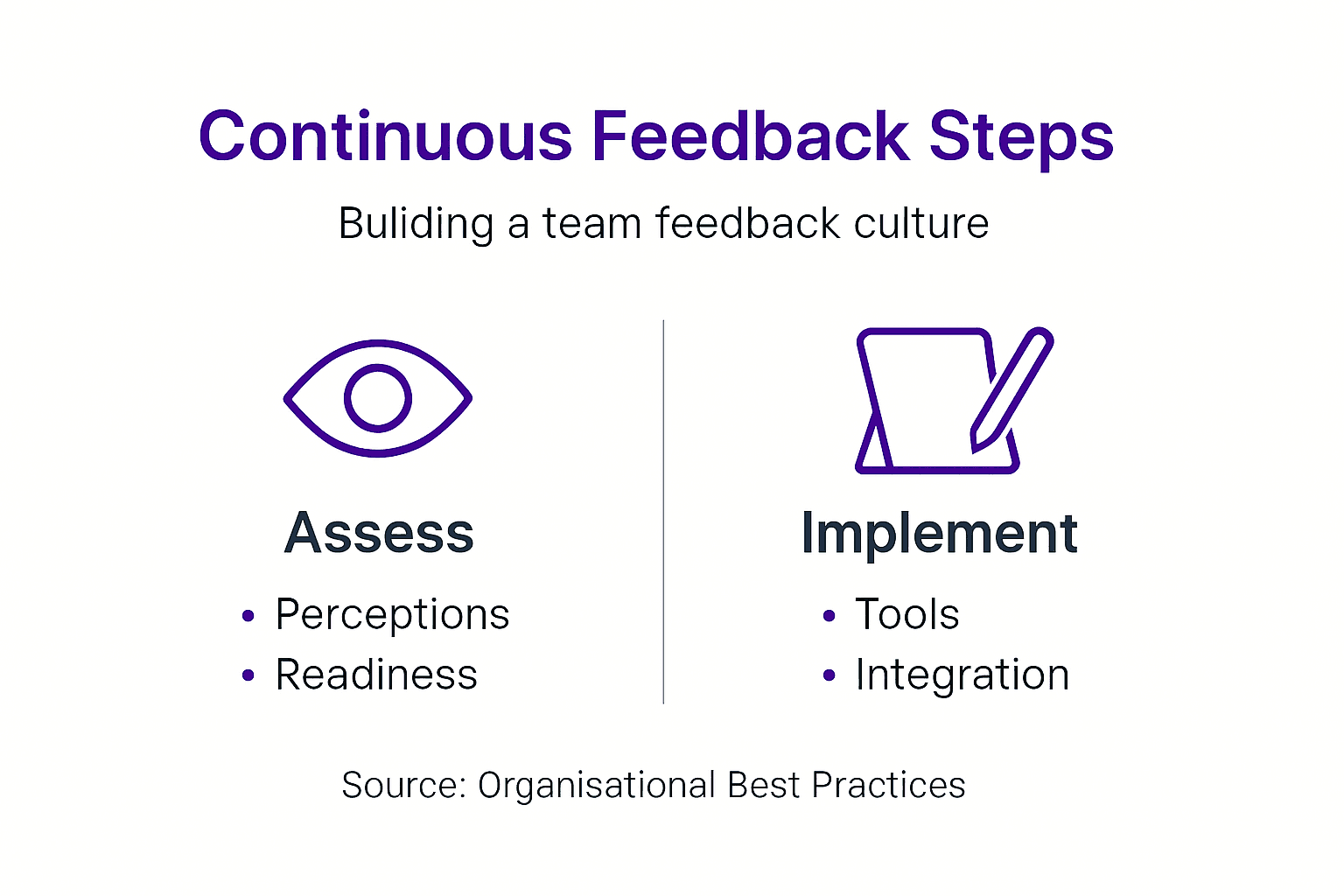
Before launching a continuous feedback system, you need to understand where your organisation currently stands. This assessment prevents costly missteps and ensures your team is genuinely prepared for change. You’re essentially taking the temperature of your culture right now.
Start by evaluating these critical areas:
- Current feedback gaps and fragmentation across teams
- Reliance on annual or sporadic reviews instead of ongoing dialogue
- Staff capacity to handle additional feedback responsibilities
- Existing communication channels and their effectiveness
- Training readiness among managers and employees
One major challenge is that fragmented feedback systems often exist within organisations without clear coordination. Your teams might already be gathering feedback—just in disconnected ways. Sales uses one method, HR uses another, and Engineering operates independently. This fragmentation is your starting point.
Readiness assessment isn’t just about capability; it’s about recognising that shifting to continuous feedback requires both structural changes and cultural mindset shifts.
Next, evaluate how your people currently perceive feedback. Disparate perceptions between managers and employees about feedback’s purpose and value can derail implementation. Some may view it as criticism; others see it as development. Understanding these perceptions helps you tailor your rollout strategy.
Assess your organisation’s willingness to change. Resistance often stems from workload concerns or lack of understanding. Review which teams have champions who could advocate for continuous feedback, and identify which departments might need extra support.
Consider implementing employee feedback best practices that align with your assessment findings to ensure your approach matches your organisation’s unique needs.
Document your findings in a simple readiness scorecard. Rate each area (1-5), note gaps, and identify quick wins. This becomes your roadmap.

Pro tip: Conduct confidential pulse conversations with 5-10 employees across different levels and departments before formal assessment—their honest input reveals cultural barriers that surveys miss.
Step 2: Implement integrated feedback collection tools
Now that you understand your organisation’s readiness, it’s time to select and deploy the tools that will capture feedback across your teams. The right tools transform scattered feedback into actionable insights without creating extra work.
Start by identifying where feedback naturally occurs in your workflow. Most feedback happens in real time—during one-on-ones, team meetings, project retrospectives, or casual conversations. Your tools should meet employees where work already happens, not ask them to visit separate portals.
Consider these integration priorities:
- Connections to your existing HRIS and communication platforms
- Ability to capture feedback across Slack, Microsoft Teams, or your intranet
- Automated collection without disrupting daily workflows
- Real-time analysis to surface patterns quickly
- Privacy protections to encourage honest input
AI-driven feedback loops are becoming standard because they automate collection and analysis while reducing manual workload. These systems can identify themes, sentiment, and trends without requiring managers to manually process every comment. However, the technology works best when paired with human interpretation.
Successful tool implementation requires balancing automation with human oversight—let AI handle pattern recognition while your leaders provide context and meaning.
When selecting tools, prioritise solutions that provide personalised, timely feedback adapted to different team needs. Your engineering teams might prefer different feedback channels than your sales team. Look for flexibility and customisation options.
Integrate your chosen tools gradually. Start with one department or team, refine your processes, then expand. This pilot approach reveals technical issues and adoption barriers before company-wide rollout.
Ensure your tools capture feedback across multiple touchpoints. Pulse surveys, one-on-one notes, project debriefs, and peer feedback create a fuller picture than any single channel. Examples of employee feedback methods show how combining approaches increases data richness.
Configuring data anonymisation and privacy settings is non-negotiable. Employees won’t offer honest feedback without psychological safety.
Here’s a summary of feedback collection tool integration priorities and their impact:
| Integration Priority | Why It Matters | Business Outcome |
|---|---|---|
| HRIS and Platform Connections | Centralises data for easy access and analysis | Faster reporting and insights |
| Real-Time Capture in Workflows | Minimises disruption and increases engagement | Higher participation rates |
| Automated Collection & Analysis | Reduces manual workload for managers | Timely trend identification |
| Robust Privacy Protections | Builds trust and encourages honest input | Richer, actionable feedback |
Pro tip: Run a two-week dry run with your HR and leadership team before full deployment to identify usability issues and refine workflows without affecting your broader workforce.
Step 3: Encourage participation and ensure data privacy
Building trust in your feedback system depends on two equally critical factors: making participation easy and protecting the data employees share. Without both, you’ll see low engagement and hesitant feedback.
Start with transparency about data handling. Employees need to understand what happens to their feedback, who can access it, and how it influences decisions. Transparent communication about data use builds confidence in your system. Create a simple, honest document explaining your data practices and share it during launch.
Communicate these privacy commitments clearly:
- Feedback remains anonymous unless employees choose otherwise
- Data is aggregated before leaders see it (no individual contributor identification)
- Submissions are securely stored and never sold or shared externally
- Employees can withdraw consent at any time
- You comply with relevant regulations like GDPR or local privacy laws
Make participation frictionless. If your feedback tool requires extra logins or takes more than two minutes, participation drops. Integrate it into tools your teams already use daily. Send reminders, but avoid creating a sense of obligation that stifles honesty.
Trust is built through consistent action, not just policy documents. Show your team that feedback leads to visible change.
Address equity in access. Equitable access and transparent governance frameworks ensure all employees can participate regardless of role, location, or technical comfort. Offer multiple submission methods: anonymous forms, one-on-one conversations, pulse surveys, or written submissions.
Demonstrate that feedback creates action. When employees see their input leading to real changes, participation increases dramatically. Close the loop by communicating what you heard, what you’re changing, and why some suggestions weren’t implemented.
Train managers on confidentiality. They must understand they cannot identify or retaliate against feedback providers. Establish clear guidelines about what managers can and cannot do with feedback data.
Pro tip: Share anonymised sample feedback and resulting actions with your team quarterly to prove the system works and encourage deeper participation over time.
Step 4: Analyse cultural signals and link to KPIs
Feedback becomes truly valuable when you connect it to measurable business outcomes. This step transforms soft cultural insights into hard business intelligence your leadership team can act on.
Start by identifying which cultural signals matter most to your organisation. Are you trying to improve retention, boost productivity, accelerate innovation, or reduce burnout? Your priority shapes which feedback themes deserve closest attention.
Map feedback themes to business metrics. These connections might include:
- Team engagement scores linked to project delivery timelines
- Manager feedback quality tied to promotion readiness
- Peer collaboration signals connected to cross-functional project success
- Workload sentiment mapped against productivity and retention rates
- Psychological safety comments correlated with error rates or quality issues
Linking cultural signals to KPIs enables you to track alignment with strategic objectives while improving engagement and productivity. This isn’t about punishing teams with bad feedback scores—it’s about understanding what drives your business outcomes.
Cultural metrics only matter when they influence decisions. If nothing changes based on the data, employees stop sharing honest feedback.
Create dashboards that show patterns over time. Visualise trends rather than individual data points. When you see engagement declining steadily or specific departments clustering around certain concerns, you’ve found your intervention points.
Connect feedback to drivers of employee engagement and culture KPIs to understand which cultural factors actually influence your business. Not all feedback matters equally—focus on signals that correlate with your most critical metrics.
The following table shows how cultural signals can be mapped to business KPIs:
| Cultural Signal | Example Metric | Potential Impact |
|---|---|---|
| Psychological Safety | Employee error rates | Improved product quality |
| Engagement | Retention statistics | Reduced turnover costs |
| Collaboration | Cross-team project success | Accelerated innovation |
| Workload Sentiment | Productivity measurements | Lower burnout, higher output |
Analyse seasonal patterns. Does engagement drop before quarter-end deadlines? Do certain teams show consistent engagement dips? Does onboarding period sentiment predict six-month retention? These patterns reveal systemic issues worth addressing.
Share findings with leaders transparently. Show the data, explain the implications, and propose interventions. Make the business case clear: improving culture directly improves your bottom line.
Pro tip: Calculate the estimated financial impact of your top three cultural issues using engagement data tied to turnover costs, productivity metrics, and quality improvements to secure executive buy-in.
Step 5: Review performance and adjust feedback processes
Your feedback system won’t be perfect on day one. Regular reviews of how the system is performing—and how teams are responding—reveal what’s working and what needs refinement. This ongoing cycle of assessment and adjustment keeps your culture evolving.
Start by measuring adoption and engagement metrics. Track participation rates, response times, and completion percentages. Are certain departments engaging more than others? Do employees engage consistently or in sporadic bursts? Low participation often signals friction you need to address.
Gather direct feedback about the feedback system itself. Ask employees:
- Is the feedback process easy to navigate and use?
- Do they feel safe sharing honest input?
- Have they seen changes based on feedback?
- What barriers prevent participation?
- What would encourage them to share more?
Regularly reviewing feedback effectiveness helps identify gaps and implement practices that actually support engagement. This isn’t theoretical—you need concrete data showing what’s landing and what isn’t.
The feedback system is never finished. What works in your first month may need adjustment after six months as your culture evolves.
Analyse feedback quality and content. Are submissions thoughtful and specific, or vague and rushed? Do themes align with your business priorities? Adjusting feedback processes based on participant input and performance data supports sustained improvement across your organisation.
Identify systemic issues. If managers consistently report that feedback is too harsh or employees say feedback lacks clarity, redesign your prompts or add training. If certain topics generate no feedback, probe why—is the issue taboo or simply not top-of-mind?
Test adjustments with small groups before rolling out broadly. Perhaps your pulse survey needs simpler language. Maybe your anonymisation isn’t secure enough. Small-scale testing prevents widespread disruption.
Communicate changes transparently. Explain what you heard, what you’re changing, and why. This reinforces that feedback drives real action.
Pro tip: Conduct quarterly pulse reviews focused solely on the feedback system itself—separate from cultural feedback—to catch adoption friction before it becomes a participation problem.
Transform Your Team Culture with Real-Time Insights and Trusted Privacy
Building a continuous feedback culture requires not only readiness and clear communication but also tools that seamlessly integrate into daily workflows while protecting employee privacy. If you struggle with fragmented feedback collection, low participation, or difficulty linking cultural signals to key business outcomes, you are not alone. The challenge is turning scattered employee sentiment into actionable intelligence that truly drives retention, productivity, and engagement.
Wurkn offers a cultural business intelligence platform designed specifically for CXOs and PeopleOps teams to capture anonymous, always-on feedback from Slack, Microsoft Teams, HRIS, and web channels. This approach meets employees where work happens without disruption. With robust privacy safeguards and AI-driven analytics that reveal why cultural shifts occur, you gain a living dashboard that connects feedback directly to KPIs like retention and revenue.
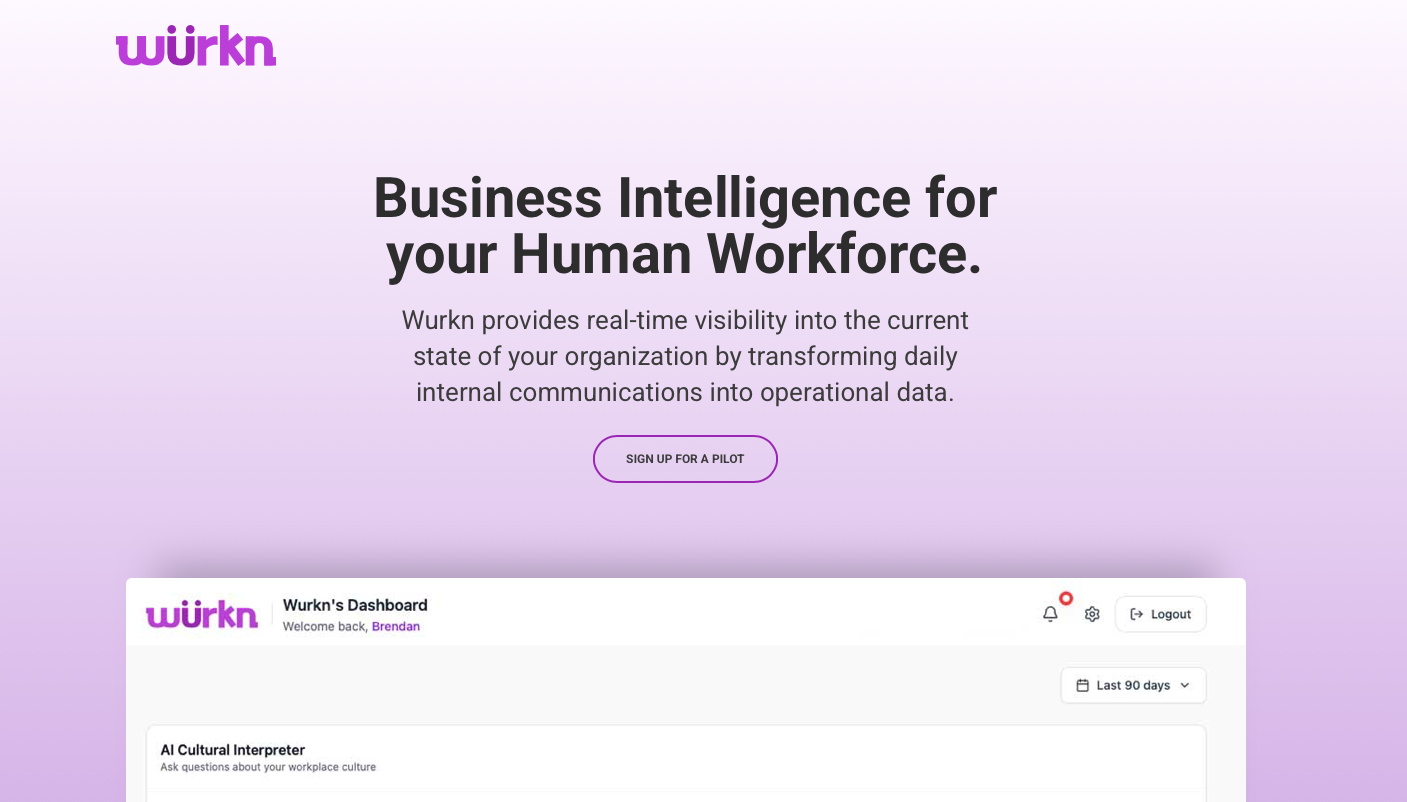
Don’t wait until feedback gaps undermine your team’s health. Discover how Wurkn’s platform can help your organisation assess continuous feedback readiness, implement integrated tools, and translate cultural signals into business impact today. Unlock a clearer, data-driven path to stronger teams and improved performance now by visiting Wurkn.
Frequently Asked Questions
How can I assess my organisation’s readiness for a continuous feedback culture?
To assess your organisation’s readiness, evaluate areas like existing feedback methods, employee perceptions, and communication effectiveness. Consider creating a readiness scorecard that rates these areas from 1 to 5 and identifies gaps to address within 30 days.
What tools should I consider for collecting continuous feedback across teams?
Select feedback collection tools that integrate with your existing communication platforms and allow for real-time capturing of feedback. Prioritise tools that can automate collection to reduce workload and improve analysis, aiming to implement these tools within a couple of months.
How can I encourage employees to participate in providing feedback?
Encourage participation by ensuring that the feedback process is easy and transparent about data handling. Communicate your privacy commitments clearly and integrate feedback tools into daily workflows to avoid adding friction; aim for improved participation rates within the first quarter.
What metrics should I link to feedback to measure its impact on business outcomes?
Identify cultural signals that matter to your organisation, such as engagement scores or collaboration effectiveness, and link these to relevant business metrics. Create dashboards to visualise trends over time, aiming for regular updates to track improvements every month.
How frequently should I review my continuous feedback processes?
Regularly review your feedback processes every quarter to determine what is working and what needs improvement. Collect direct input from employees about the system itself to address any challenges, putting action plans in place within 30 days based on their feedback.